Sediment doesn't announce itself. It accumulates quietly on the bottom of your tank over months and years, insulating the burner, reducing efficiency, and eventually causing that popping or rumbling noise that gets your attention. By the time you hear it, you're already behind on maintenance.
Rancho Cordova receives water from a blend of Sacramento River surface water and groundwater that typically runs moderately hard — roughly 100–175 mg/L of dissolved calcium and magnesium, depending on the season and your neighborhood's distribution mix. That hardness level is enough to deposit a meaningful layer of minerals inside a tank water heater every year. The national recommendation of flushing every 1–3 years is based on average U.S. water hardness. In our area, annual flushing is the more appropriate schedule.
This guide explains why flushing matters, how to do it safely, and the indicators that suggest your tank needs professional attention rather than a DIY flush.
Why Flushing Matters for Tank Water Heaters
When hard water heats, dissolved calcium carbonate comes out of solution and settles to the bottom of the tank as a fine, chalky sediment. Over time, that sediment compacts into a layer that sits between the burner flame (or electric element) and the water. The unit has to run longer and work harder to heat through the insulating layer — driving up energy consumption and putting thermal stress on the tank's metal and welds.
For gas water heaters, prolonged high-temperature operation of the tank floor — caused by heat building up beneath the sediment — can weaken the glass-lined interior. On electric units, scale coats the lower element, reducing its efficiency and eventually causing it to burn out prematurely.
There's also a water quality issue: older, looser sediment can periodically stir up and flow into your hot water lines, leaving discolored water at the tap or a gritty residue in aerators and showerheads.
How Often to Flush in Rancho Cordova
For most homes in Rancho Cordova and the broader Sacramento area: once per year. That cadence keeps buildup manageable and the drain valve functional — valves that sit closed for years sometimes fail to reseal properly when finally opened.
Some households should flush more often. If your home uses well water (with potentially higher mineral content), if your water tests hard above 200 mg/L, or if you've noticed discolored hot water or increased energy bills, twice-yearly flushing may be warranted.
If you've never flushed a tank that's more than 3–4 years old, don't just open the drain valve and expect a clean flush. The buildup may be significant enough that the sediment partially blocks the valve, or the drain valve itself may be calcified. Have a professional do the first flush on an unmaintained unit — our water heater flushing service includes valve assessment and, if needed, full sediment removal.
How to Flush a Water Heater Yourself
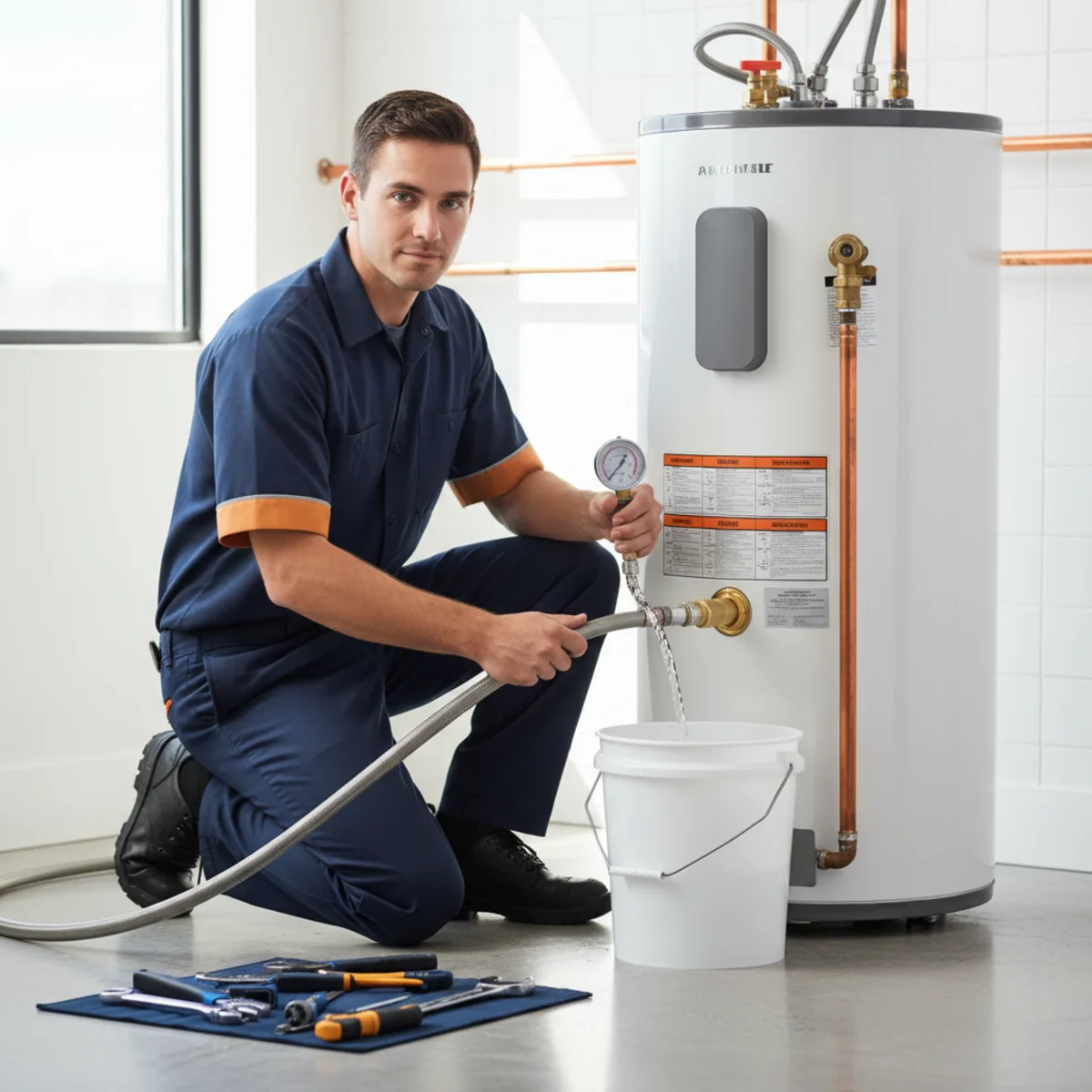
If the tank is relatively young and has been maintained, you can do a basic flush yourself. Work safely: the water coming out will be very hot. Give the unit time to cool, or connect your drain hose and route it somewhere safe before opening the valve.
- Turn the thermostat to 'Pilot' (gas) or flip the circuit breaker off (electric) to avoid heating an empty or low tank.
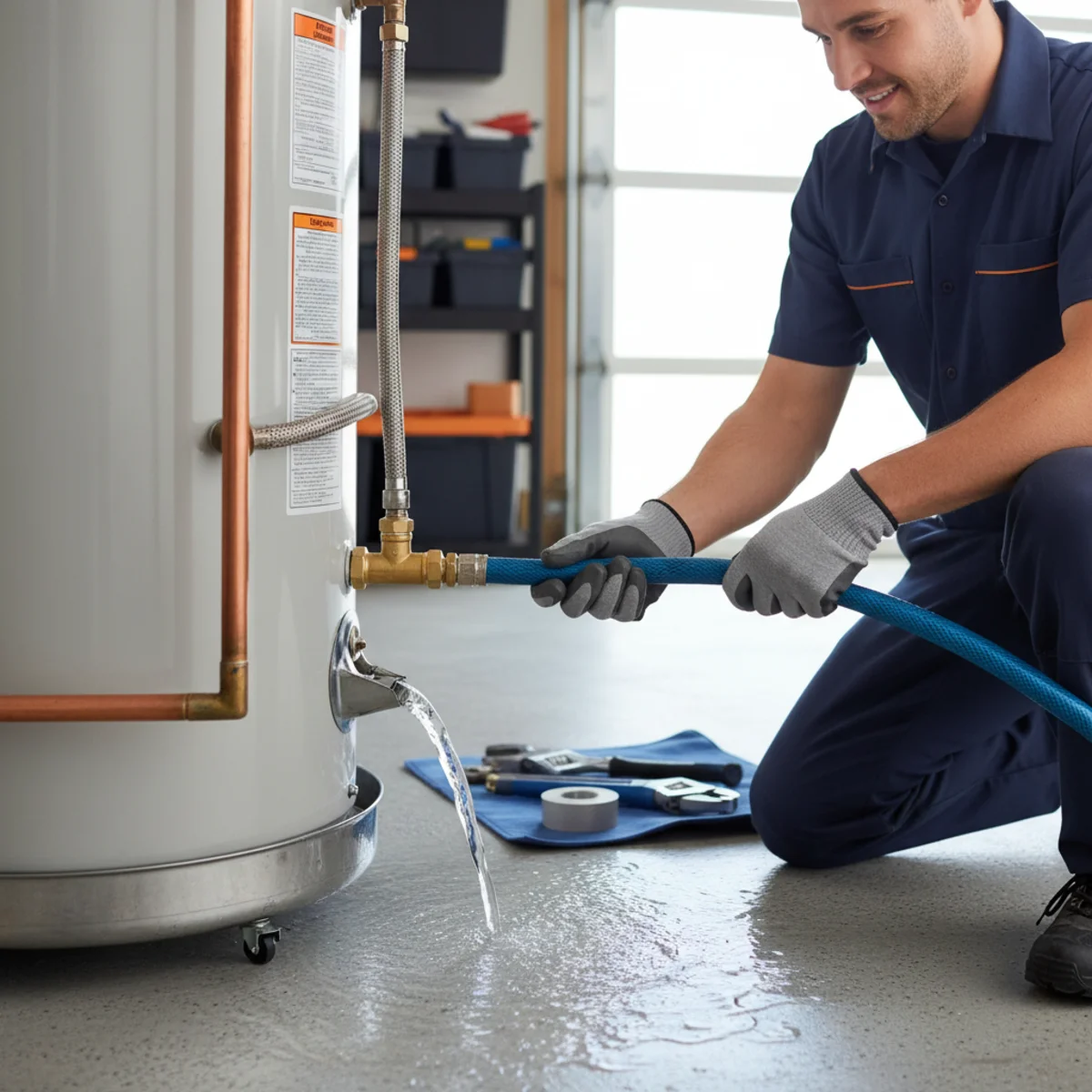
- Attach a standard garden hose to the drain valve at the base of the tank.
- Run the hose to a floor drain, outside, or into buckets — hot water will flow, so keep children and pets clear.
- Open a hot water faucet somewhere in the house to break the vacuum and allow water to flow freely.
- Open the drain valve and let water run until it's clear and free of visible sediment.
- Close the drain valve, remove the hose, allow the tank to refill fully before restoring power or relighting the pilot.
- Check the area around the valve for drips — replace the valve if it doesn't fully close.
When to Call a Professional Instead
There are several situations where DIY flushing isn't the right call. If the tank is more than 7–8 years old and has never been serviced, a professional should do the first flush — the risk of valve failure is real, and a stuck-open drain valve on a full tank is a mess. If you see rust-colored water even after running the hose for several minutes, the tank interior may be corroding. If the drain valve is plastic and shows visible mineral buildup at the joint, it may crack when turned.
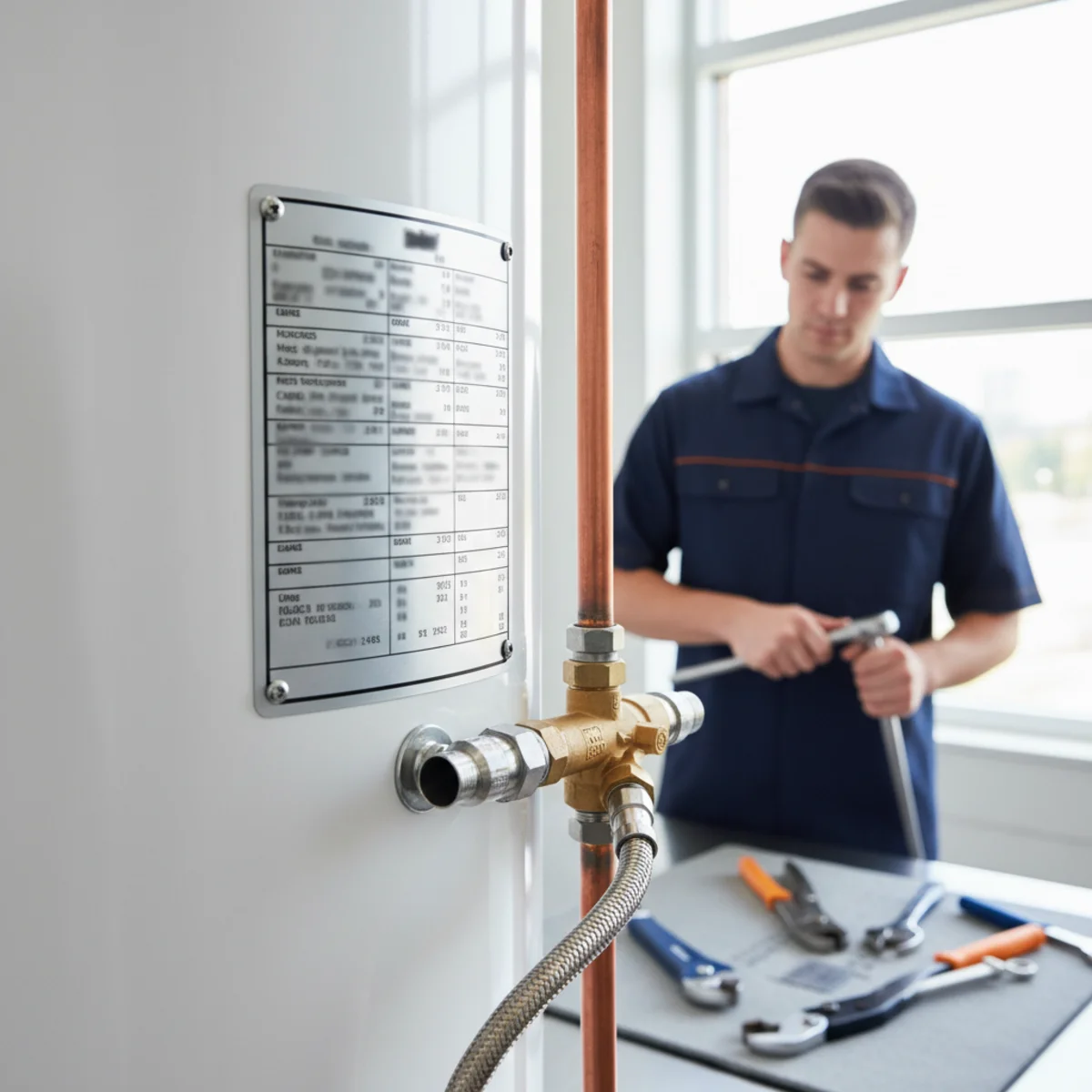
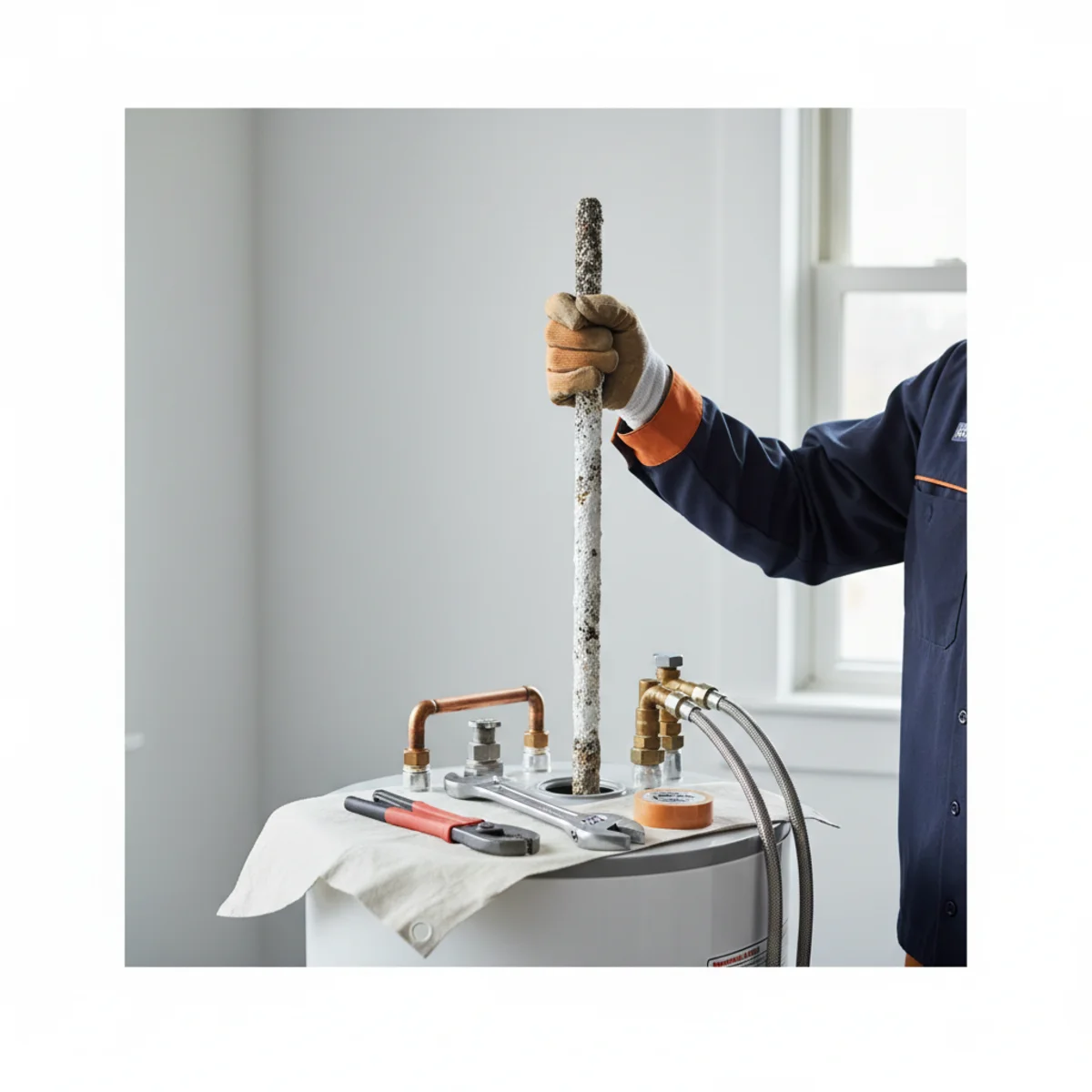
A professional flush also includes inspection of the T&P valve (temperature and pressure relief valve), the anode rod, and the connections at the top of the unit — checks that a DIY drain doesn't cover. Our water heater maintenance service combines flushing with a full inspection and anode rod assessment.
We serve homeowners throughout Rancho Cordova. If your tank is due for service or you're not sure of its maintenance history, contact us to schedule an appointment.
What a Complete Maintenance Visit Covers
A tank flush is one component of a full water heater maintenance visit. Here's what a thorough professional service should include.
- Full drain and flush with sediment removal.
- Inspect and test the T&P valve — it should open and release freely when lifted.
- Inspect the anode rod — replace if more than 50% depleted.
- Check seismic straps for California code compliance (one upper, one lower).
- Inspect expansion tank if present — check pre-charge pressure.
- Check the drain pan for moisture or rust indicating a slow leak.
- Verify thermostat calibration and pilot assembly (gas) or element resistance (electric).
- Document findings and flag any code deficiencies.
Signs Your Tank Is Overdue for Flushing
If you're not sure when your tank was last flushed, look for these indicators. Popping, rumbling, or crackling from the unit during heating cycles is the most obvious sign — that's steam forming in sediment pockets. Rising energy bills without a change in hot water usage is another tell. Discolored hot water (brown, orange, or milky) suggests either sediment disturbance or, more seriously, internal corrosion.
A shortened hot water supply — the tank seems to run out faster than it used to — can indicate a significant sediment layer that's reduced the effective water volume in the tank. If you're finding that a 50-gallon tank only seems to deliver 35 gallons of usable hot water, sediment is a likely culprit.
Any of these signs warrant a service call rather than just a DIY flush. Call us at (201) 277-9344 or use our online contact form to get on the schedule.
Talk to a Local Rancho Cordova Water Heater Pro
Whether you need a repair today or you're planning an upgrade, we'll give you a straight answer and an upfront estimate.
Frequently Asked Questions
It's necessary in hard water areas like Rancho Cordova. Sediment buildup reduces efficiency, increases energy use, stresses the heating components, and shortens tank life. Annual flushing is one of the most cost-effective maintenance tasks for a tank water heater.
On a heavily scaled or old unit (7+ years, never flushed), the main risk is the drain valve failing to reseal after opening, or cracking if it's a plastic valve with significant mineral buildup. A professional service mitigates this by inspecting the valve before opening it and having a replacement on hand.
Typically 45–90 minutes for a standard flush and inspection. If the sediment load is heavy, multiple flush cycles may be needed, adding time. The technician will give you an honest time estimate after assessing the unit.
Often yes, if the sediment layer is not heavily compacted. Light to moderate buildup usually flushes out and the noise stops. Thick, cemented scale may not fully clear, in which case the noise may improve but not stop. At that point a full replacement evaluation makes sense.
Yes, but the process is different. Tankless units (both gas and electric) need periodic descaling — a vinegar or citric acid flush through the heat exchanger — to prevent scale from narrowing the flow channels. The recommended interval in Rancho Cordova's water is every 1–2 years depending on hardness and usage volume.
Written by the Water Heater RC Pros team
Practical, local guidance from Rancho Cordova water-heater installers — written for homeowners and kept current with California code. Have a question about your unit? Call (201) 277-9344.