Water Heater Flushing in Rancho Cordova, CA
That low, kettle-drum rumbling your water heater makes — that's sediment talking. Rancho Cordova pulls water that rates among the harder supplies in Sacramento County, and every gallon that heats up leaves behind a thin layer of calcium and magnesium carbonate at the bottom of the tank. Over months it compacts into a thick, insulating crust. Your burner or element has to push heat through that crust to reach the water, recovery slows down, and the tank works overtime to keep up with a Sacramento Valley summer morning when every shower is running at once.
- Same-day appointments available
- Installed to California code
- Upfront, itemized estimates
- Clean work area & haul-away
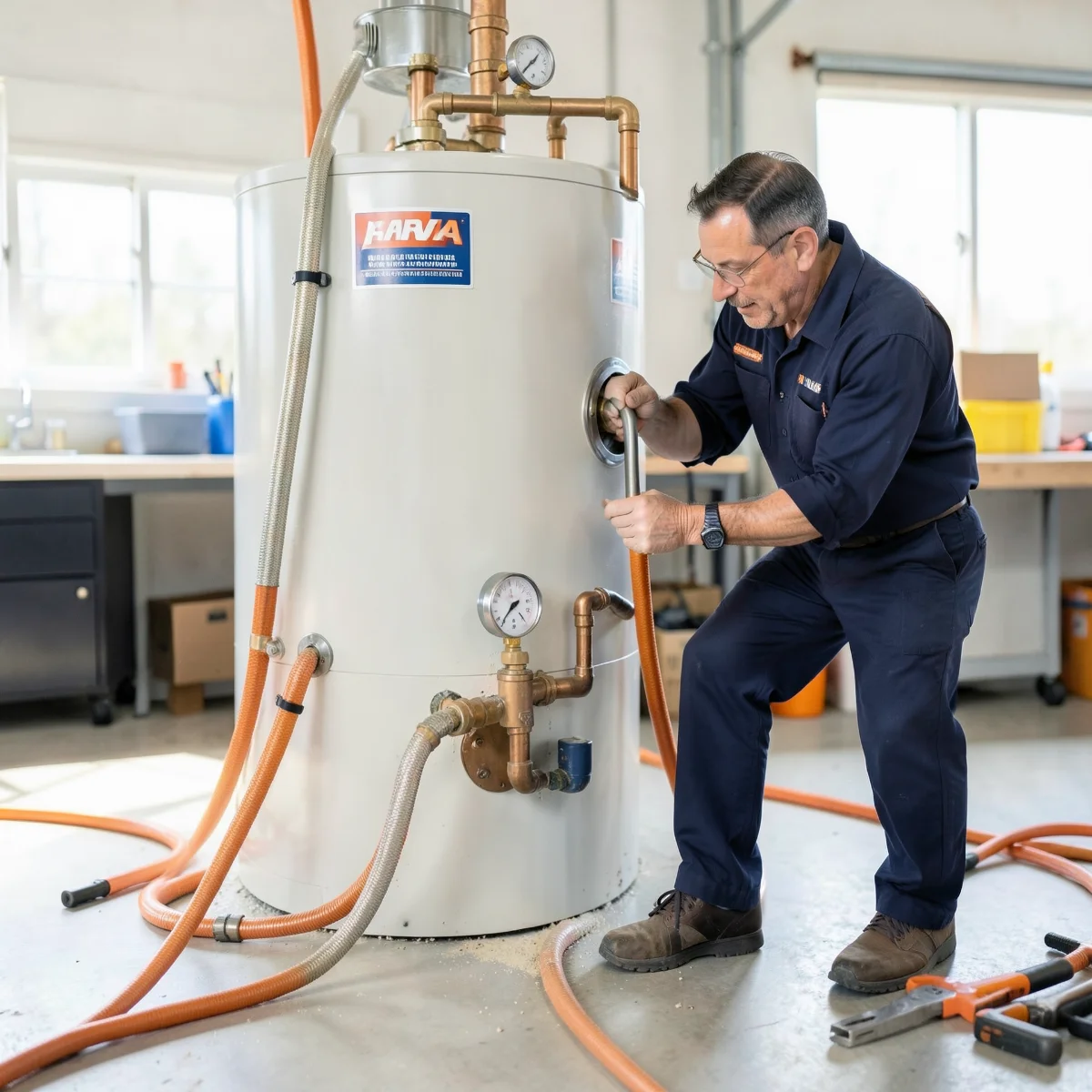
That low, kettle-drum rumbling your water heater makes — that's sediment talking. Rancho Cordova pulls water that rates among the harder supplies in Sacramento County, and every gallon that heats up leaves behind a thin layer of calcium and magnesium carbonate at the bottom of the tank. Over months it compacts into a thick, insulating crust. Your burner or element has to push heat through that crust to reach the water, recovery slows down, and the tank works overtime to keep up with a Sacramento Valley summer morning when every shower is running at once.
An annual flush removes that accumulated sediment before it can bake into a permanent scale layer, and it's the single most cost-effective water heater maintenance step you can take. Done right, flushing also gives a technician a chance to inspect the anode rod — the sacrificial metal rod that protects the steel tank walls — and catch a failing T&P valve or softening dip tube before they turn into a repair call.
Homes that also have a water softener installed still benefit from periodic flushing, just on a longer cycle. Without one, once a year is the right cadence for most Rancho Cordova tanks.
Quick Answer
Water heater flushing drains accumulated hard-water sediment from the bottom of your tank, restoring heating efficiency and protecting the tank lining. In Rancho Cordova's hard-water conditions, an annual flush is the most effective maintenance step you can take to extend tank life and keep recovery times fast. The process typically takes under two hours and includes a T&P valve check and anode rod inspection. Call (201) 277-9344 to schedule.
When to call
Signs You Need Water Heater Flushing
Not sure if it's time? These are the situations where water heater flushing in Rancho Cordova makes sense.
- Rumbling, popping, or kettling sounds during the heating cycle.
- Hot water runs out faster than it used to — recovery is noticeably slower.
- Higher gas or electric bills without a change in household usage.
- Discolored or slightly cloudy hot water, especially after the tank reheats.
- The unit is more than a year old and has never been flushed.
- Fine grit or sandy sediment visible at the bottom of a glass of hot water.
- Your tankless unit is throwing a flow or scale warning code.
- You're pairing a new unit with hard-water conditions and want to protect the investment.
What's included
What Our Water Heater Flushing Service Covers
Full sediment drain and flush
We connect a hose to the drain valve, flush until the water runs clear, and remove years of compacted calcium and mineral deposits from the tank floor.
T&P valve check
The temperature and pressure relief valve is tested to confirm it lifts and reseats properly — a stuck-shut T&P is a safety issue, not just a maintenance skip.
Anode rod inspection
We inspect the sacrificial anode rod and advise replacement if it's more than half depleted. A healthy anode rod is what keeps hard water from corroding the tank wall.
Dip tube and inlet check
We confirm the cold-water dip tube is intact and directing cold water to the bottom of the tank where it belongs — a cracked dip tube wastes energy and shortens recovery.
Temperature and pressure verification
We verify the thermostat is set correctly for your household and confirm operating pressure is within the safe range for the unit.
Post-flush inspection notes
You get a plain-English summary of tank condition, any parts approaching end-of-life, and the recommended interval for the next flush based on your water quality.
Why it's done right
Why Proper Water Heater Flushing Matters
Efficiency and energy cost
Sediment acts as an insulating layer between the burner flame or heating element and the water. The thicker it gets, the longer the tank runs per heating cycle — and the higher your gas or electric bill climbs. A flush removes that layer and lets heat transfer the way the manufacturer designed.
Tank lifespan
Hard-water scale baked onto the tank floor generates hot spots on gas units, stressing the steel over hundreds of heating cycles. On electric units, it buries the lower element and can cause premature burnout. Keeping the tank clean is the cheapest way to get the full 10–12 years out of it rather than replacing it at seven.
Water quality and safety
Sediment can harbor bacteria if the tank temperature is too low, and loose grit can get into fixtures and damage the seals in faucets and appliances. The T&P valve check that comes with a professional flush is also a direct safety check — that valve is the last line of defense against a dangerous pressure event.
Maintenance as early warning
An annual flush gives a technician eyes on the unit while it's still working. Catching a deteriorating anode rod, a weeping drain valve, or the first signs of tank corrosion during a scheduled visit costs far less than the emergency [water heater repair](/services/water-heater-repair-rancho-cordova-ca) call that follows a failure.
How we work
Our Water Heater Flushing Process
Shut down the unit
We switch a gas unit to pilot mode and turn off the cold-water inlet so the tank stops refilling. Electric units are powered off at the breaker before any water work.
Connect drain equipment
A hose runs from the drain valve to a safe discharge point. We open the pressure relief or a hot-water faucet to break the vacuum and let the tank drain freely.
Flush until clear
We crack the cold-water inlet open while the drain is running — this agitates the sediment layer and flushes it out completely, not just draining the top half.
Inspect internal components
With the tank drained we check the anode rod, confirm the dip tube is intact, and test the T&P valve for proper operation.
Refill and restore
Drain valve closed, tank refills to purge air from lines, unit restored to normal operating mode.
Verify temperature and pressure
Once the unit is up to temperature we confirm the thermostat setting, check for leaks at the drain valve and connections, and verify the expansion tank pressure if one is installed.
Report and recommendations
You get a plain summary of what we found, anything to watch before next year, and the recommended flush interval for your water quality and usage.
Transparent pricing
What Affects Your Water Heater Flushing Cost
We don't post fixed prices online because every home is different — but here's exactly what moves the number, so your estimate is never a mystery.
Severity of sediment buildup
Rancho Cordova's hard water deposits calcium and magnesium scale at the bottom of a tank every season. A unit flushed annually clears quickly; one that hasn't been serviced in years carries compacted sediment that requires multiple drain cycles to clear.
Tank flush vs. tankless descale
A storage-tank flush is a drain-and-refill process. A tankless descale circulates a food-grade acid solution through the heat exchanger to dissolve mineral scale — more equipment, more time, and different pricing than a simple tank flush.
Drain-valve condition
Factory drain valves on older tanks are often plastic and can seize or leak when first opened after years of non-use. A stuck or dripping valve needs to be replaced before flushing can proceed, adding parts and a bit of extra labor.
Unit age and time since last service
A newer tank or one flushed within the last year completes quickly. An older tank that has never been serviced may carry so much scale that the job runs longer and occasionally surfaces other worn components worth flagging.
Add-on services at the same visit
Pairing a flush with an anode-rod inspection, T&P valve test, or a full annual tune-up is more economical than scheduling each visit separately.
Local know-how
Rancho Cordova Considerations
The local details competitors treat as an afterthought — and we don't.
Rancho Cordova's water hardness is real and measurable — municipal reports regularly show elevated calcium and magnesium levels that push into the moderately hard to hard range. That translates directly into sediment accumulation rates higher than many California regions, which is why once-a-year flushing is the standard recommendation here rather than every two or three years. Homes in Gold River and Anatolia that pull from the same distribution system see the same mineral load.
Summer demand in the Sacramento Valley compounds the efficiency hit. When an 80-gallon tank is running two or three recovery cycles a day during a July heat wave, a sediment layer that adds even 10–15 minutes to each cycle adds up fast on a utility bill. Pairing an annual flush with a water softener installation is the most effective combination — the softener reduces incoming mineral load, the flush handles whatever gets through.
If your unit is approaching eight or more years old and the flush reveals a badly depleted anode rod or the first signs of tank-floor corrosion, we'll tell you honestly whether you're looking at continued maintenance or whether planning for a water heater installation in the next year or two makes more economic sense. We'd rather give you that information during a scheduled flush than have you call us after a weekend flood.
Related Water Heater Services
Water Heater Maintenance
Annual flush, anode check, and T&P test — the maintenance routine that fights Rancho Cordova's hard water and adds years to your tank.
Learn moreWater Heater Repair
Thermostat, element, pilot, T&P, or anode — most water heater problems are repairable, and we'll tell you honestly when replacement makes more sense.
Learn moreWater Softener Installation
Stop hard-water scale from destroying your water heater, fixtures, and appliances — professional softener installation sized for your home.
Learn moreWater Heater Installation
New tank or tankless, sized right and installed to California code — permits, code upgrades, and old-unit haul-away handled.
Learn moreAreas We Serve for Water Heater Flushing
Questions, answered
Water Heater Flushing FAQs
Once a year is the right starting point for most Rancho Cordova homes given the local hard water. If you already have a water softener, you might extend that to every 18–24 months. If your tank is rumbling already or recovery is noticeably slow, don't wait for the annual mark — call (201) 277-9344 and we'll assess the current condition.
The basic drain-and-refill is a DIY-possible task, but there are real ways to get it wrong: opening the drain valve when the tank is still at operating temperature, failing to break the vacuum so the tank barely drains, or missing a stuck T&P valve. A professional flush also includes an anode rod inspection and T&P test that most homeowners skip. The cost difference between DIY and pro is small; the information gap is significant.
Popping and rumbling during the heating cycle — some people describe it as gravel in a washing machine, others as a low kettle sound. The noise is steam bubbling through the sediment layer at the tank bottom. It's not dangerous in itself, but it means the burner is working harder than it should and the tank floor is under repeated thermal stress.
If sediment is the cause, yes — removing the insulating layer lets heat reach the water faster and restores normal recovery times. If recovery is slow because the thermostat is set too low, the anode rod has failed and fouled the water, or the dip tube has cracked, a flush alone won't fix it, but the inspection during the flush will identify the real cause.
Most residential flushes take 60–90 minutes from shut-down to restored operation. Heavier sediment loads can push that to two hours. We don't rush the flush-until-clear step — pulling out a full drain and stopping when the water looks clear on first pass misses compacted deposits.
No — in fact, most manufacturer warranties require regular maintenance including flushing to remain valid. Skipping maintenance is more likely to complicate a warranty claim than a professional flush documented with a service record.
If it's more than 50% depleted — which we'll show you — yes, now is the right time. Doing it during a flush avoids a separate service call and the tank is already drained. In Rancho Cordova's hard water, anode rods typically deplete faster than the national average, so don't assume the schedule in the manual applies locally.
Helpful Water Heater Guides
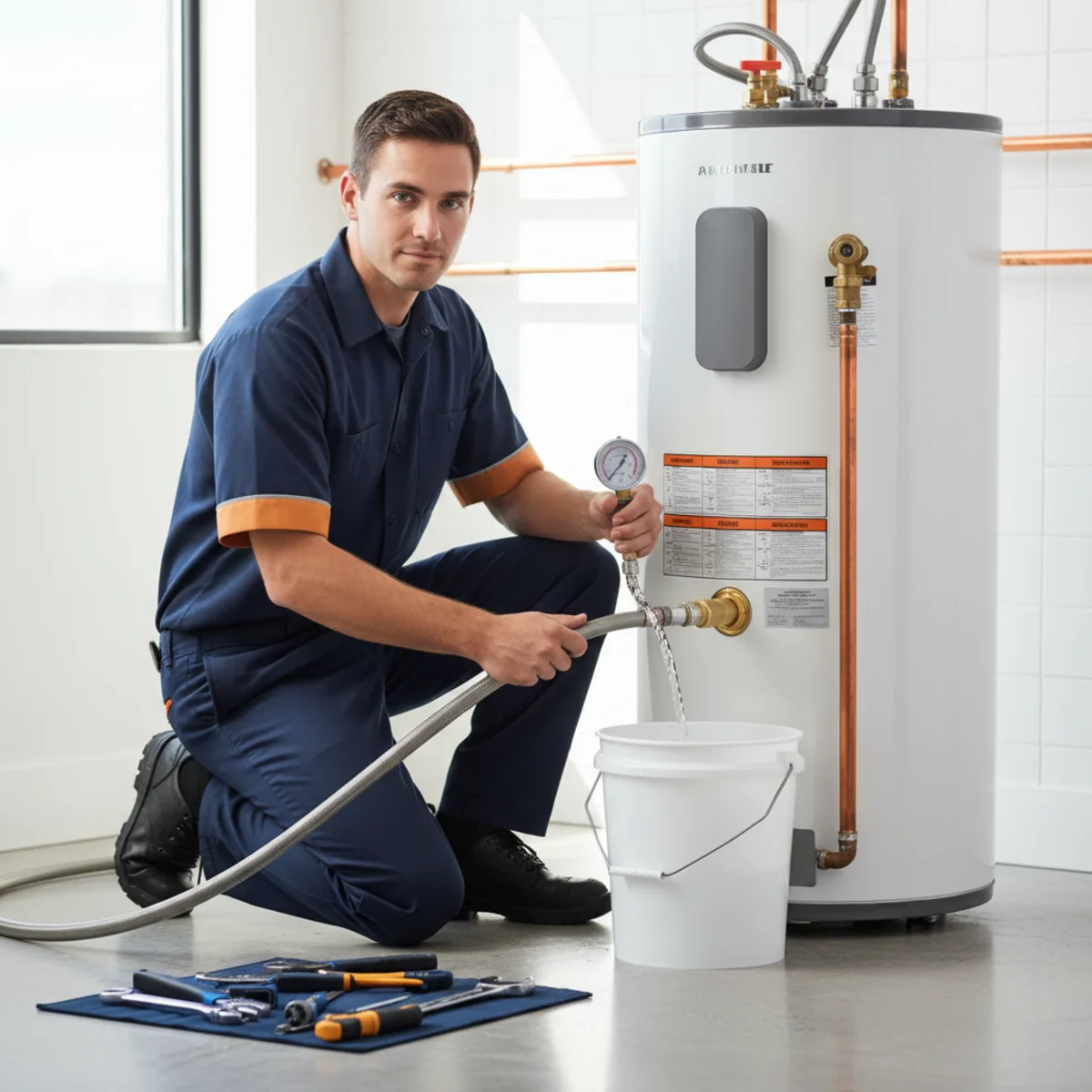
How to Drain and Flush a Water Heater (Step by Step)
Flushing your water heater once a year removes sediment that reduces efficiency and shortens tank life. Here's exactly how to do it safely.
February 24, 2026
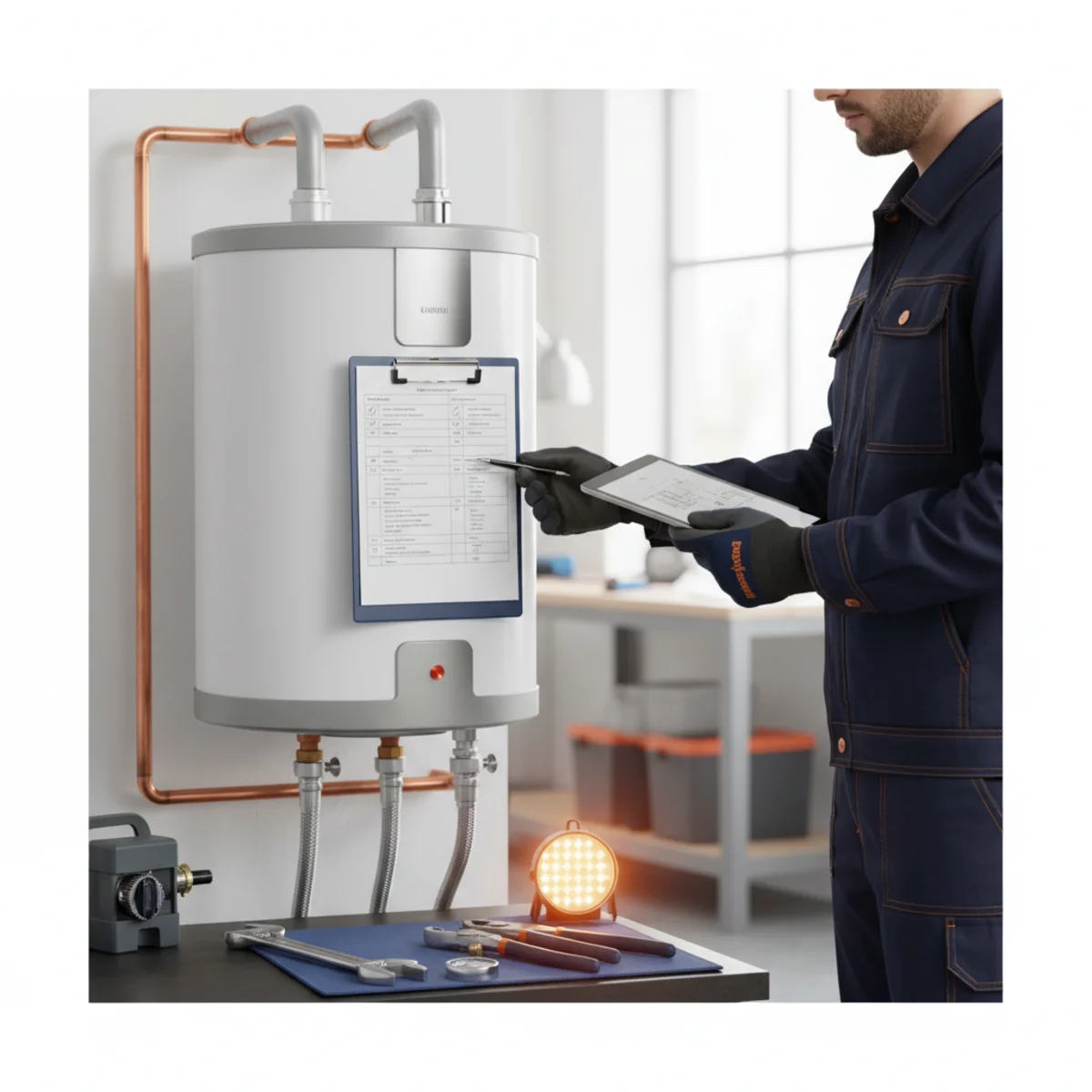
Water Heater Maintenance Checklist for Homeowners
Most water heaters fail years early simply because they're never serviced. This checklist covers everything a Rancho Cordova homeowner should do — or have done — annually.
December 22, 2025
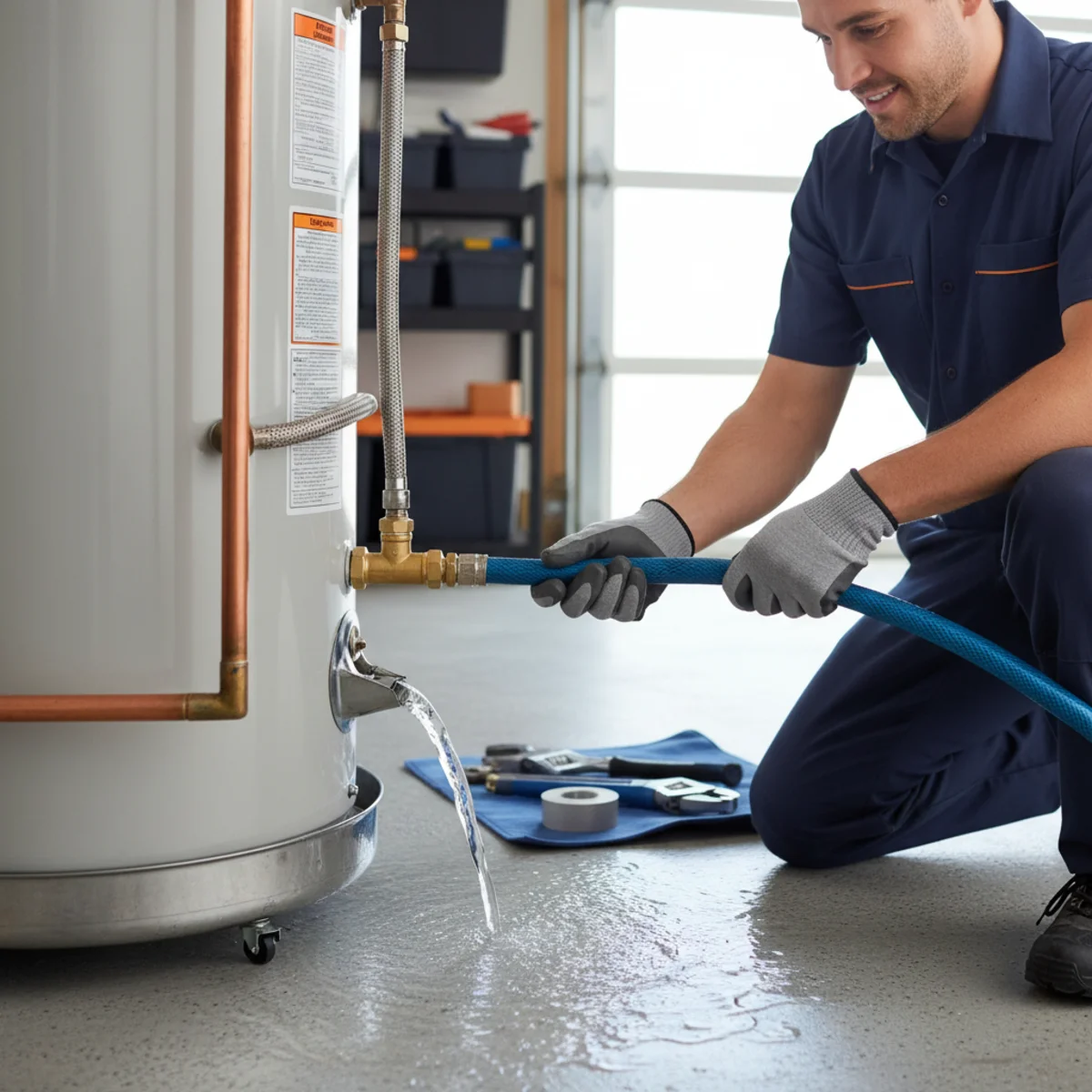
How Often Should You Flush a Water Heater in Rancho Cordova?
Annual flushing is the single best maintenance task you can do for a tank water heater in Rancho Cordova. Here's the right schedule, what the process involves, and the signs you're overdue.
October 16, 2025
Our Standards on Every Job
- Installed to current California Plumbing Code
- Sacramento County permit guidance on every job
- Upfront, written estimates — no surprises
- Code upgrades included: expansion tank, seismic strapping, drain pan, T&P discharge
- Warranty-backed equipment options
- Clean, protected work areas and old-unit haul-away
Licensing and insurance information available on request. Programs and code requirements change — we confirm current details before you buy.
Local & Official Resources
Helpful third-party references for Rancho Cordova and Sacramento County homeowners. Programs and code change — confirm current details on the official sites before you buy.
- Sacramento County Building Permits & InspectionPermits, inspections, and code for water heater work in the county.
- SMUD — Rebates & IncentivesThe local electric utility's heat-pump and efficiency rebate programs.
- PG&E — Rebates & EfficiencyGas and electric rebate programs serving parts of the area.
- California Energy Commission — Appliance StandardsState efficiency standards that affect new water heaters.
- U.S. DOE — Water Heating (Energy Saver)Independent guidance on types, sizing, and efficiency.
- California Building Standards CommissionThe California Plumbing Code is part of Title 24.
Schedule Water Heater Flushing in Rancho Cordova
Talk to a local water heater pro who will give you a straight answer and an upfront estimate. For an active leak or no hot water, call now — same-day help is available.
3173 Fitzgerald Rd, Rancho Cordova, CA 95742
Have this ready for your estimate
- When the unit was last flushed — or whether it ever has been; this tells us how much buildup to plan for and how long to allow.
- Any symptoms you've noticed: rumbling or popping sounds during heating cycles, slower-than-usual hot-water recovery, or sandy particles at the hot-water taps.
- A clear path to the water heater and to the nearest floor drain or outdoor hose-bib we can discharge sediment-laden water to.
- The unit's age and model if you have it — heavily loaded older tanks can surface a worn drain valve that needs replacing before the flush begins, so knowing the age helps us come prepared.
Request a Free Estimate
Tell us what's going on — we'll follow up fast.
Same-Day Water Heater Help
Need Hot Water Back Today?
Same-day water heater help across Rancho Cordova and nearby Sacramento County. Talk to a local pro now — no pressure, just a straight answer.