Heat Pump Water Heater Installation in Rancho Cordova, CA
A heat pump water heater doesn't generate heat the way a resistance element does. It extracts heat that already exists in the air around it and transfers that energy into the water. The compressor runs, the refrigerant cycle moves BTUs from ambient air to the tank, and the result is water heating that costs roughly a third of what a conventional electric tank costs to run. In Rancho Cordova's climate, where garage temperatures stay comfortably above the heat pump's efficient operating range for most of the year, the physics work in your favor.
- Same-day appointments available
- Installed to California code
- Upfront, itemized estimates
- Clean work area & haul-away
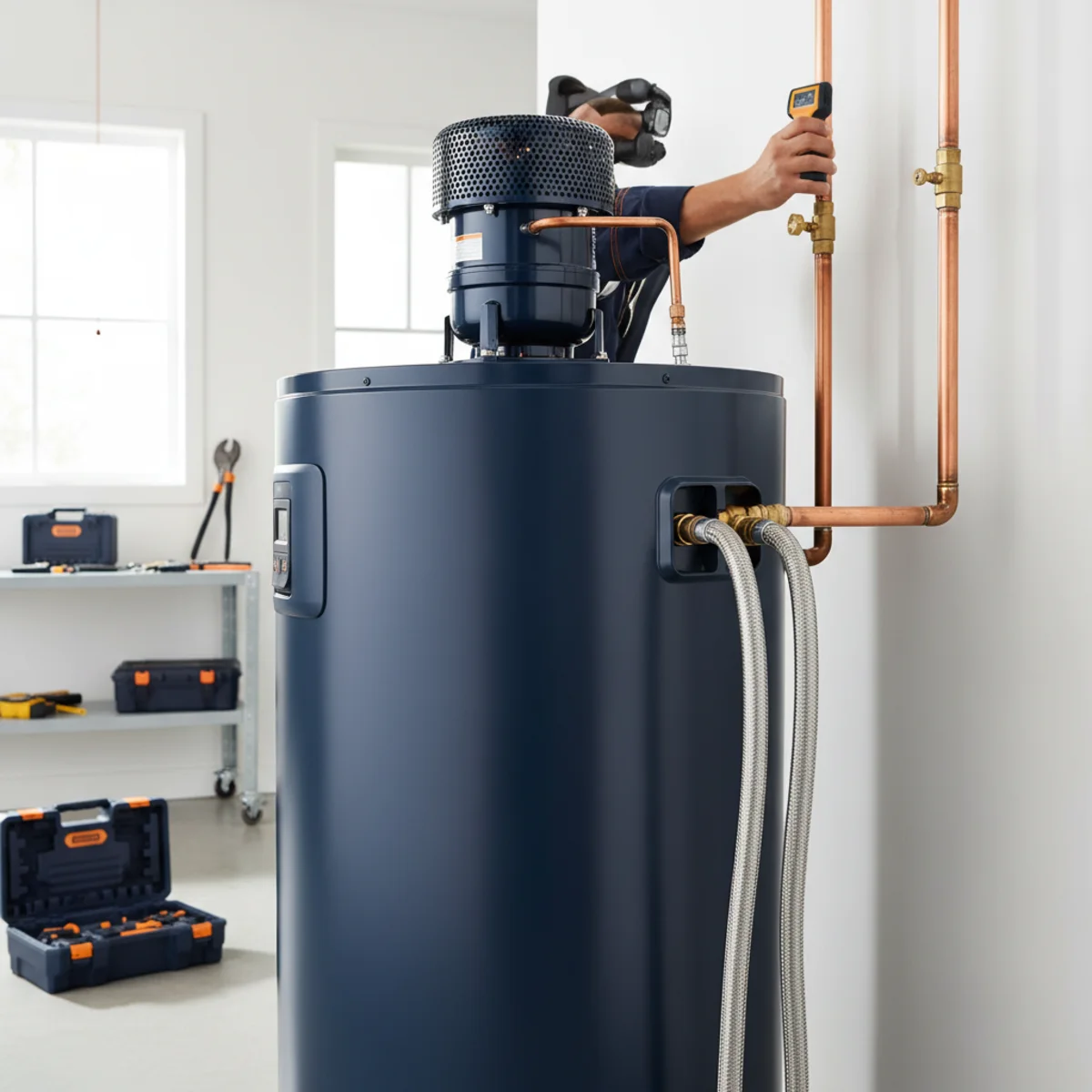
A heat pump water heater doesn't generate heat the way a resistance element does. It extracts heat that already exists in the air around it and transfers that energy into the water. The compressor runs, the refrigerant cycle moves BTUs from ambient air to the tank, and the result is water heating that costs roughly a third of what a conventional electric tank costs to run. In Rancho Cordova's climate, where garage temperatures stay comfortably above the heat pump's efficient operating range for most of the year, the physics work in your favor.
The installation is more involved than a standard electric swap. The unit needs adequate airspace — most manufacturers specify at least 700–1,000 cubic feet — so it isn't harvesting the same air it just cooled and dehumidified. It produces condensate that needs a drain path. It's taller than most tank units, typically 60–65 inches, so ceiling clearance matters. And the electrical requirements are specific: a dedicated 240-volt, 30-amp circuit. Getting all of that confirmed before the unit goes in is what separates a clean install from a callback.
For households currently on a conventional electric water heater, a heat pump swap offers the single largest reduction in water-heating cost without changing fuel. If you're also weighing space-saving options, compare it against tankless water heater installation — different trade-offs, both worth understanding.
Quick Answer
A heat pump water heater moves ambient heat from surrounding air into your water tank, using about 60–70% less electricity than a standard electric resistance unit. Water Heater RC Pros installs heat pump water heaters in Rancho Cordova, assessing airspace, routing condensate, confirming electrical circuits, and adding required California code upgrades. We also walk you through available SMUD and PG&E rebate programs — confirm current details before you buy. Call (201) 277-9344 for an upfront estimate.
When to call
Signs You Need Heat Pump Water Heater Installation
Not sure if it's time? These are the situations where heat pump water heater installation in Rancho Cordova makes sense.
- You have an electric tank and want to reduce water-heating costs without switching to gas.
- Your garage or utility space has enough airspace and ceiling clearance for a taller unit.
- You're replacing an aging electric tank and want the most efficient available replacement.
- You've been told about available SMUD or PG&E rebates and want to understand what currently applies.
- Your current unit struggles to recover fast enough for your household's peak demand.
- You're building or remodeling and want to spec the most efficient electric option from day one.
- You want to reduce home energy consumption without compromising hot-water availability.
What's included
What Our Heat Pump Water Heater Installation Service Covers
Airspace and clearance assessment
We measure the cubic footage available around the unit and confirm ceiling clearance, ensuring the heat pump draws from adequate ambient air rather than working against confined space.
Electrical circuit confirmation
We verify the existing circuit is a dedicated 240-volt, 30-amp line with correct wire gauge and an accessible disconnect. If it isn't, we identify what's needed before quoting.
Condensate drain routing
Heat pump operation pulls moisture from the air. We route condensate to an approved drain — floor drain, laundry sink, or condensate pump — so it doesn't pool or cause water damage.
California code upgrades
Thermal expansion tank, seismic strapping, drain pan with a routed discharge line, and a compliant T&P relief valve — installed to current California code and ready for Sacramento County inspection.
Rebate education
We walk you through SMUD and PG&E programs we're currently aware of, plus federal tax credit provisions for qualifying units. Always confirm current eligibility with your utility and a tax professional before purchasing — we don't file rebate paperwork on your behalf.
Old-unit removal and haul-away
We drain, disconnect, and remove the old tank, recycle it responsibly, and leave the installation space clean.
Choose with confidence
Heat-Pump vs. Conventional Water Heaters
Heat-pump water heaters move heat instead of creating it, which changes both how they perform and where they fit best in a Rancho Cordova home.
| Type | Efficiency rating | Typical annual energy use | Space needed | Rebate eligibility | Best for |
|---|---|---|---|---|---|
| Heat-pump water heater | COP ~3.5–4.0 (Uniform Energy Factor ~3.5+) | Lowest of the three — roughly 1/3 the electricity of a resistance tank | Needs clearance space for air circulation; unconditioned garages work well | Strong — SMUD, PG&E, and federal programs have offered rebates; confirm current details before buying | Homeowners prioritizing long-term operating cost; good garage or utility space |
| Gas storage tank | Energy Factor ~0.58–0.70 (higher-efficiency models available) | Low-to-moderate depending on BTU input and household draw | Compact; needs venting clearance and combustion air | Some programs available; check current SMUD/PG&E terms | Larger households with existing gas service and adequate venting |
| Standard electric resistance tank | Energy Factor ~0.92–0.95 (nearly all energy converted to heat) | Higher than heat-pump; lower than gas in some usage patterns | Very compact; no venting or air clearance needed | Limited on standard tanks; check current utility offers | All-electric homes, tight spaces, modest budgets |
Why it's done right
Why Proper Heat Pump Water Heater Installation Matters
How the efficiency is real, not marketing
A resistance electric element converts one unit of electricity into one unit of heat — that's the theoretical maximum for resistance heating. A heat pump moves heat rather than generating it, achieving a coefficient of performance of 3–4 under typical conditions. That means three to four units of thermal energy delivered for every unit of electricity consumed. In Rancho Cordova's warm garage environment, that ratio holds for the majority of the year.
Rebate programs worth knowing about
SMUD customers have had access to rebates for qualifying heat-pump water heaters, and PG&E has offered similar programs in its service territory. Federal tax credits under the Inflation Reduction Act have also been available for high-efficiency units. These programs are real and worth investigating — but amounts, qualifying models, and program rules change, sometimes annually. We share what we currently know; verify current details with your utility and a tax advisor before you commit to a specific model.
Space and installation fit
A heat pump water heater placed in inadequate space runs less efficiently and can short-cycle. Garage installs in Rancho Cordova typically give the unit what it needs: moderate ambient temperatures, enough cubic footage, and an existing 240-volt panel nearby. Getting the airspace and condensate routing right at install means the unit performs as the efficiency ratings promise.
Code compliance protects the investment
Every water heater replacement in California requires meeting current code, including expansion tank requirements on closed systems, proper seismic strapping, drain pan placement, and T&P discharge routing. A permitted, code-compliant install holds up at inspection and protects your insurance coverage. Code requirements change; we confirm the current standard before we start.
How we work
Our Heat Pump Water Heater Installation Process
Pre-install assessment
We evaluate the installation space: cubic footage, ceiling height, ambient temperature range, proximity to living spaces (the unit makes some noise), existing electrical circuit, and plumbing layout.
Unit recommendation and rebate walkthrough
We recommend models sized for your first-hour rating needs, explain operating modes (heat pump only, hybrid, high demand), and walk through available rebate programs — with the standard caveat: confirm current details before you buy.
Clear, itemized estimate
Upfront pricing on unit, code upgrades, condensate routing, any electrical work, and old-unit haul-away — no surprises when we hand you the invoice.
Remove the old unit
Power off, water off, tank drained clean. Old unit disconnected, removed, and staged for recycling.
Set and connect the new unit
Position for clearances, connect hot and cold lines with new flex connectors and dielectric unions where needed, install expansion tank, seismic straps, drain pan, and T&P discharge.
Electrical and condensate
Confirm circuit ampacity and wire gauge, terminate any new circuit work, and route condensate to the approved drain point.
Test and walkthrough
Pressure test, confirm T&P valve function, check operating mode and set point, verify condensate is draining correctly, and walk you through the controls and expected operating sounds.
Your Install Day, Step by Step
A transparent walkthrough of how the day actually goes — no mystery, no all-day waits.
On arrival
Air, electrical, and drain path confirm
Before unboxing the unit, we verify clearances, the electrical circuit, and the condensate drain path — heat-pump units are heavy and the install sequence depends on these being confirmed first.
First 30 minutes
Old unit drain-down and power-off
Breaker locked off, cold-water inlet closed, existing tank fully drained. The drain hose runs to a floor drain to keep the space dry.
First hour
Remove old unit; prep drain pan and condensate line
Old unit hauled out, space cleaned, drain pan positioned and leveled, condensate drain line routed to a floor drain or condensate pump.
Mid-install
Set unit, seismic strap, and expansion tank
New unit positioned on the drain pan, seismic straps anchored to framing, thermal expansion tank installed on the cold-water supply.
Connection phase
Plumb, wire, and T&P
Supply lines plumbed with dielectric unions where dissimilar metals meet, wiring landed and grounded per nameplate, T&P valve and discharge line verified.
Fill and pre-power check
Fill completely before energizing
Cold-water inlet opened, all air purged from the tank, and every joint checked for weeping before the breaker is closed — a dry element or dry evaporator coil fails on first cycle.
Before we leave
Startup, mode selection, and walkthrough
Breaker closed, heat-pump mode activated (not resistance-only), temperature set to 120 °F, first-hour output confirmed, and a walkthrough covering operating modes, rebate documentation tips, maintenance schedule, and any inspection next steps.
Transparent pricing
What Affects Your Heat Pump Water Heater Installation Cost
We don't post fixed prices online because every home is different — but here's exactly what moves the number, so your estimate is never a mystery.
Unit capacity and ENERGY STAR tier
Most heat-pump units for whole-house use come in 50- to 80-gallon sizes. Stepping up for a larger household or choosing a premium ENERGY STAR Most Efficient model affects both unit and rebate eligibility.
Electrical circuit
Heat-pump units typically require a dedicated 240 V 30-amp circuit. If the panel has no open slots or the run from the panel is long, electrical work precedes the install and is a separate cost.
Air access and clearances
The unit's compressor needs a minimum surrounding air volume — typically 700 to 1,000 cubic feet of unconditioned or semi-conditioned space. If louvers or ductwork are needed to supply sufficient air, that adds to the scope.
Condensate drainage
Heat-pump mode produces condensate. If a floor drain isn't nearby, a condensate pump or routed drain line adds to the install cost.
Code upgrades
Seismic strapping, drain pan, expansion tank, and correct T&P discharge are required by California code regardless of unit type.
Rebate capture — or its absence
Qualifying for a SMUD, PG&E, or federal rebate can meaningfully reduce net cost, but these programs have waiting lists, income requirements, and funding caps. Confirm current details before you factor any rebate into your budget.
Local know-how
Rancho Cordova Considerations
The local details competitors treat as an afterthought — and we don't.
Sacramento County hard water is a real adversary for any storage-tank water heater, including heat pump units. Mineral scale builds in the bottom of the tank, reduces heat-transfer efficiency, and shortens the unit's operating life. We recommend an annual flush as a baseline, and for homes with heavy mineral load, the case for a water softener is straightforward — it protects both the water heater and every fixture downstream.
Heat pump water heaters place some noise into the space they occupy — a compressor hum similar to a small refrigerator. In a garage that's separated from living areas, this rarely matters. For utility closets adjacent to bedrooms, it's a factor worth discussing before you buy. We walk through placement options during the assessment so there are no surprises after install. Most Rancho Cordova homes, with garage placements, don't encounter this issue at all.
If you're in SMUD territory, rebates for qualifying heat-pump water heaters have historically been available, and SMUD's energy efficiency programs have offered additional support for home upgrades. PG&E customers in areas we serve may also have access to similar programs. Federal Inflation Reduction Act credits for qualifying models have added to the incentive picture in recent years. All of these programs shift — eligibility, amount, and qualifying models change. We share what we're aware of, but always check the current details with your utility or a tax professional before you commit. For permit and inspection guidance on this type of install, see our permit and code upgrades page.
Future-Proofing Your Hot Water
A new water heater is a 10-plus-year decision. Here's how we help you buy ahead of where California is heading.
Rebates can be significant — but the window moves
Federal tax credits under the Inflation Reduction Act and SMUD and PG&E rebate programs have made heat-pump water heaters financially compelling in Sacramento County. Funding caps, income tiers, and program availability change year to year. Confirm current details with your utility, the ENERGY STAR rebate finder, and a tax professional before you select a model or commit to a specific budget built around a rebate amount.
California's efficiency floor keeps rising
State Title 20 and Title 24 appliance standards continue to tighten. A heat-pump unit installed today already exceeds the efficiency targets regulators are building toward, so you're unlikely to face a forced replacement due to code obsolescence in the foreseeable future.
Rancho Cordova's mild winters favor heat-pump performance
Heat-pump efficiency depends on ambient air temperature — colder air means the compressor works harder. Rancho Cordova's warm-to-mild Sacramento Valley climate means the unit spends most of its operating hours in the favorable temperature range where COP (coefficient of performance) is at its highest. That's a genuine regional advantage over colder inland climates.
Related Water Heater Services
Hybrid Water Heater Installation
Slash energy costs with a hybrid heat-pump water heater — installed to California code, with rebate education and garage-ready setup.
Learn moreElectric Water Heater Installation
No gas line, no flue — electric water heater installed with breaker, wire, and disconnect all sized to California code.
Learn moreWater Heater Installation
New tank or tankless, sized right and installed to California code — permits, code upgrades, and old-unit haul-away handled.
Learn moreWater Heater Maintenance
Annual flush, anode check, and T&P test — the maintenance routine that fights Rancho Cordova's hard water and adds years to your tank.
Learn moreAreas We Serve for Heat Pump Water Heater Installation
Questions, answered
Heat Pump Water Heater Installation FAQs
The unit itself costs more than a conventional electric tank, but the operating cost is significantly lower over time. Total installed cost depends on unit size, whether the electrical circuit needs upgrading, condensate routing, and code upgrades required. Available rebates can reduce the net cost, but confirm current rebate amounts with your utility before budgeting around them. Call (201) 277-9344 for an itemized estimate.
Most manufacturers specify at least 700–1,000 cubic feet of surrounding airspace. A standard two-car garage easily provides this. A small utility closet typically doesn't. We verify the available space before recommending a unit — undersized airspace pushes the unit into resistance-only mode and eliminates the efficiency advantage.
Exceptionally well. The heat pump extracts heat from the garage air to heat your water — which also means it's quietly cooling and dehumidifying the garage as a side effect. During Sacramento's hot summers, the unit is pulling from an abundant heat source, which keeps the heat pump in its most efficient operating range.
The dehumidification process produces water — similar in volume to a window air conditioner. It needs to drain to a floor drain, utility sink, or via a condensate pump to a drain line. We route the condensate as part of every install. An unrouted condensate drain is a water-damage risk we don't leave behind.
Yes. Heat pump water heaters typically require a dedicated 240-volt, 30-amp circuit with the correct wire gauge and an accessible disconnect. If your existing circuit doesn't meet this spec, we identify the gap before quoting so there are no mid-job surprises.
Both utilities have offered rebate programs for qualifying heat-pump water heaters, and federal tax credits have also been available. Programs change regularly — the rebate amount, qualifying models, and any income-based adders can shift between program cycles. We walk you through what we're currently aware of, but you should verify the current details directly with your utility and consult a tax professional before committing to a specific model.
About as loud as a dishwasher or small refrigerator — a compressor hum with some air-handler noise. In a garage separated from living areas, it's generally not an issue. In a utility closet next to a bedroom, it may be noticeable. We discuss placement and any noise concerns during the assessment.
A straightforward swap where the electrical circuit is already correct typically takes a few hours. If the circuit needs upgrading or condensate routing requires more access work, the job runs longer. We give a realistic time window after we see the space.
Helpful Water Heater Guides
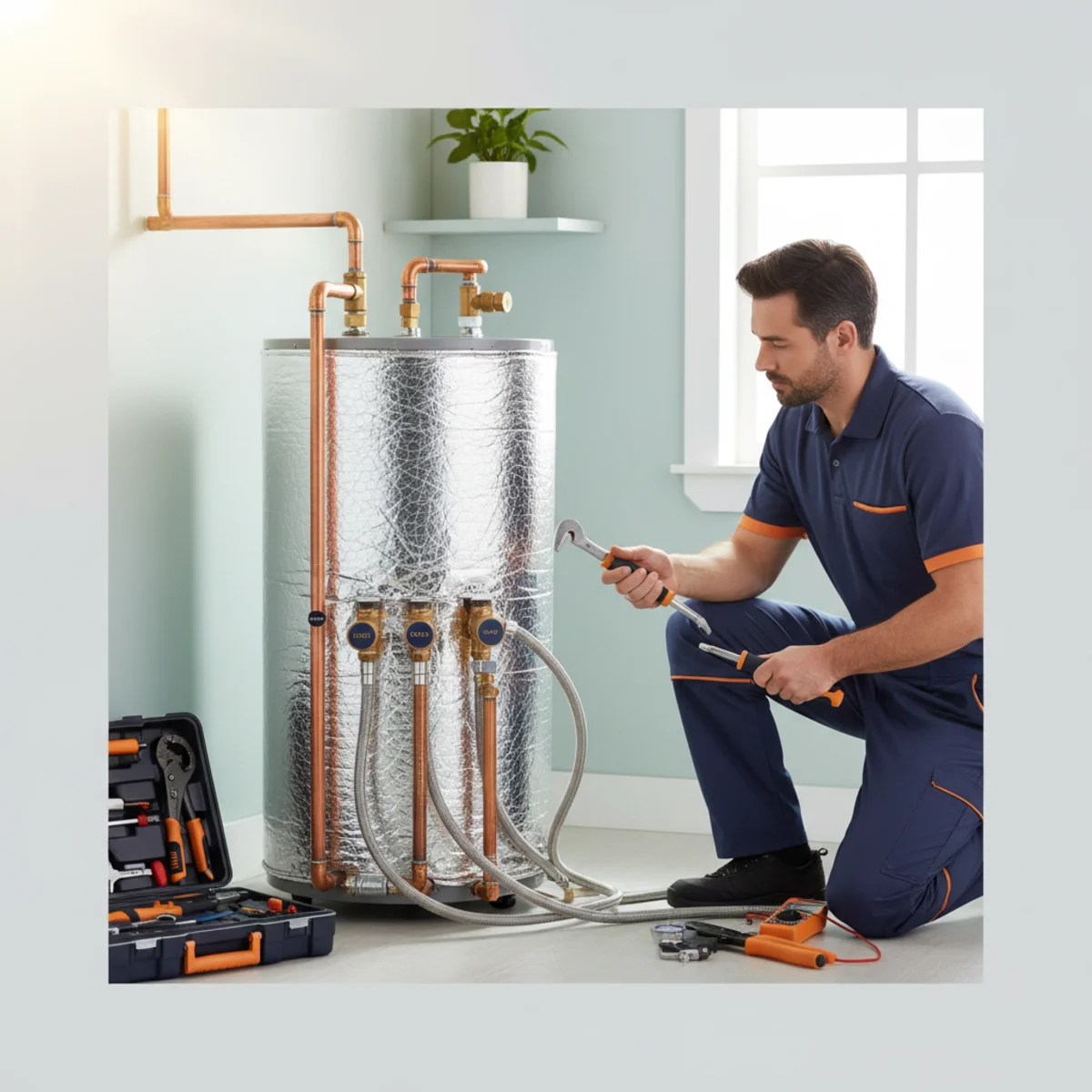
Water Heater Energy Efficiency Tips for Lower Utility Bills
Your water heater can account for 14–18% of your home energy bill. Here's how to cut that number without sacrificing comfort.
January 15, 2026
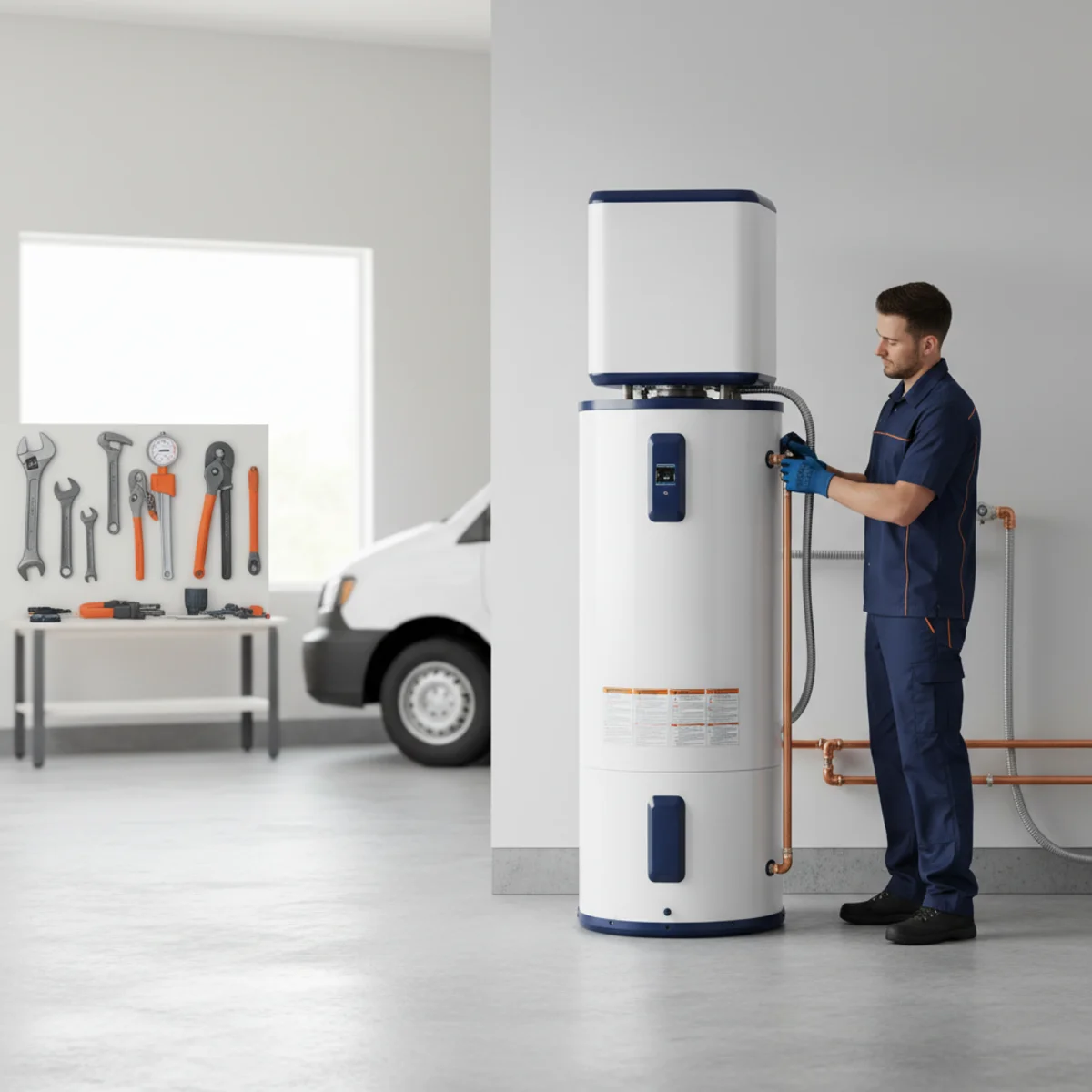
Are Heat Pump Water Heaters Worth It in Rancho Cordova?
A heat pump water heater can cut your water-heating bill by more than half. In Rancho Cordova's climate, the conditions are about as favorable as they get — here's what you need to know.
October 2, 2025
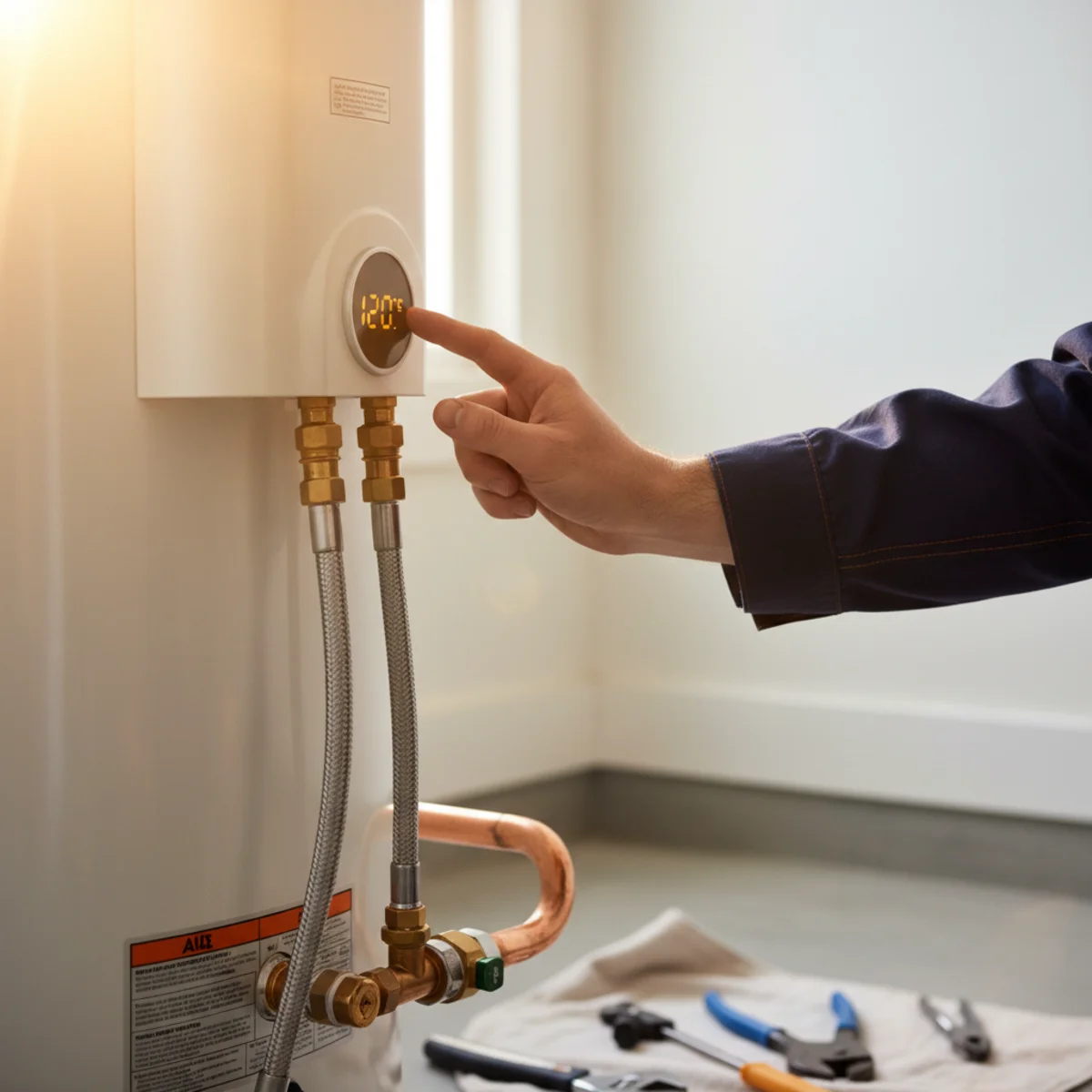
What Temperature Should Your Water Heater Be Set To?
The right water heater temperature isn't one-size-fits-all. Here's how to balance scalding risk, Legionella prevention, and energy savings for your household.
May 1, 2026
Our Standards on Every Job
- Installed to current California Plumbing Code
- Sacramento County permit guidance on every job
- Upfront, written estimates — no surprises
- Code upgrades included: expansion tank, seismic strapping, drain pan, T&P discharge
- Warranty-backed equipment options
- Clean, protected work areas and old-unit haul-away
Licensing and insurance information available on request. Programs and code requirements change — we confirm current details before you buy.
Local & Official Resources
Helpful third-party references for Rancho Cordova and Sacramento County homeowners. Programs and code change — confirm current details on the official sites before you buy.
- Sacramento County Building Permits & InspectionPermits, inspections, and code for water heater work in the county.
- SMUD — Rebates & IncentivesThe local electric utility's heat-pump and efficiency rebate programs.
- PG&E — Rebates & EfficiencyGas and electric rebate programs serving parts of the area.
- California Energy Commission — Appliance StandardsState efficiency standards that affect new water heaters.
- U.S. DOE — Water Heating (Energy Saver)Independent guidance on types, sizing, and efficiency.
- California Building Standards CommissionThe California Plumbing Code is part of Title 24.
Schedule Heat Pump Water Heater Installation in Rancho Cordova
Talk to a local water heater pro who will give you a straight answer and an upfront estimate. For an active leak or no hot water, call now — same-day help is available.
3173 Fitzgerald Rd, Rancho Cordova, CA 95742
Have this ready for your estimate
- Measure and photograph the proposed install space — floor footprint, ceiling height, and distance to the nearest floor drain.
- Check your electrical panel for an available 240 V 30-amp slot or note if it's full.
- Review current SMUD, PG&E, and ENERGY STAR rebate pages and print or screenshot any active offers with their requirements.
- Note whether the space doubles as a conditioned living area or workshop — significant heat extraction in a heated or cooled room reduces the efficiency benefit.
- Know your household's morning peak demand: simultaneous shower count, laundry, and dishwasher overlap.
Request a Free Estimate
Tell us what's going on — we'll follow up fast.
Same-Day Water Heater Help
Need Hot Water Back Today?
Same-day water heater help across Rancho Cordova and nearby Sacramento County. Talk to a local pro now — no pressure, just a straight answer.