Every time you stand at the sink waiting for hot water to arrive, that cold water running down the drain is doing two things: wasting water and wasting your patience. In Rancho Cordova, where some older subdivisions have long pipe runs from the garage water heater to the master bath, the wait can stretch past two minutes. That's not a minor annoyance — it adds up to thousands of gallons a year.
A hot water recirculation pump solves the problem by keeping a small loop of hot water circulating through your supply lines so warm water is already waiting at the tap. It sounds simple, and the concept is. But the right setup — pump type, timer, location, and interaction with your water heater — makes the difference between a system that pays for itself and one that just runs up your electricity bill.
This guide walks through how recirculation works, the two main system types, whether your home is a good candidate, and how the choice interacts with tankless water heaters specifically. By the end you'll know what questions to ask before you buy.
How Recirculation Pumps Actually Work
Your water heater sits in the garage — or a utility closet — and hot water travels through supply pipes to every fixture in the house. When nobody has used the bathroom faucet for a few hours, the water sitting in that pipe cools to room temperature. You turn on the tap and it takes time for fresh hot water to push through. The longer the pipe run, the longer the wait.
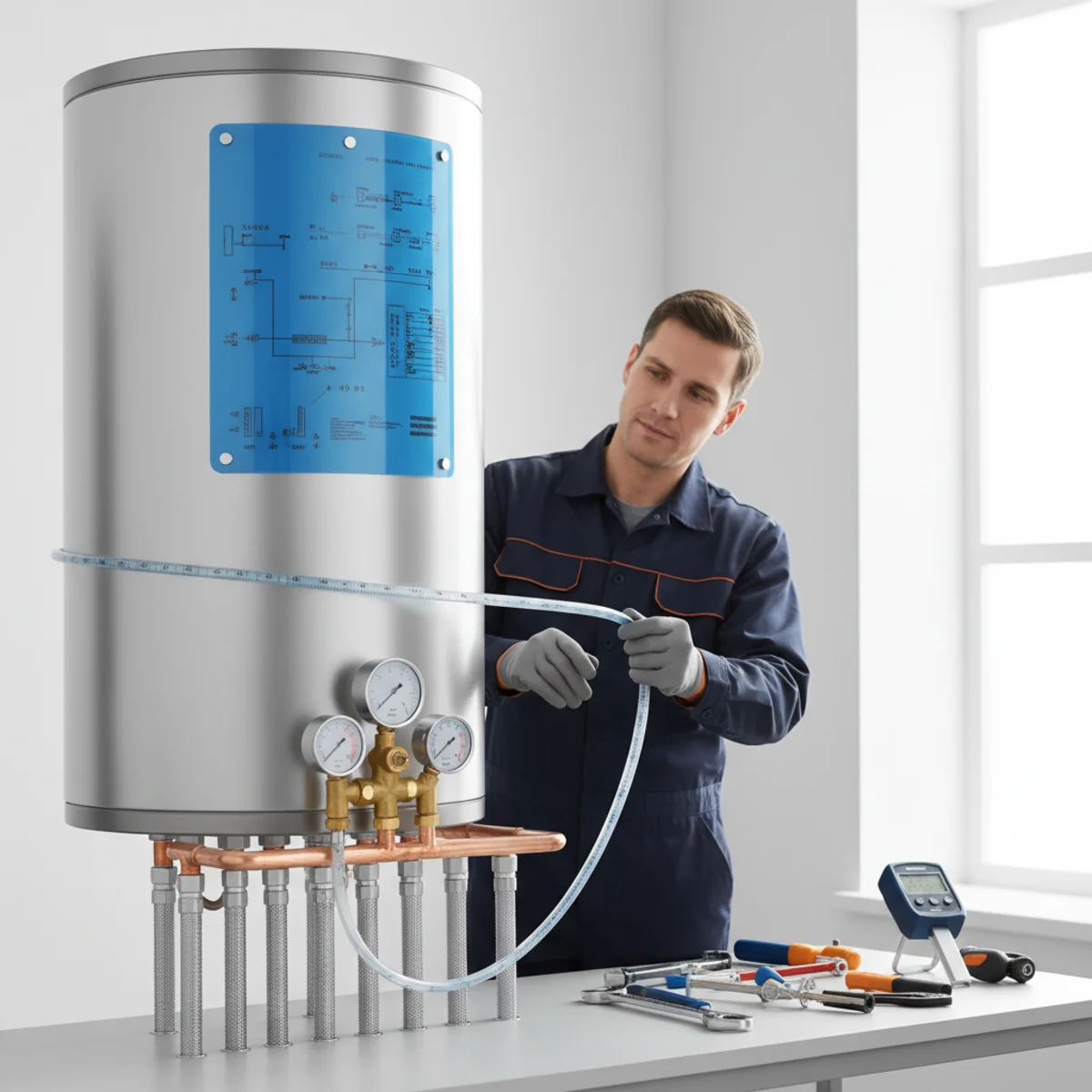
A recirculation pump creates a loop. Hot water from your water heater slowly circulates through the supply line, and when it cools slightly it returns to the heater via either a dedicated return line or the cold-water line. The heater reheats it, the loop keeps moving, and hot water is always close to the tap.
The pump itself is compact — typically the size of a large softball — and runs on standard 120V power. Most modern units draw less than 25 watts, roughly equivalent to a night-light. The energy cost of running the pump itself is not the main variable. The bigger factor is standby heat loss: your water heater works slightly harder to keep that circulating water hot. A good timer or demand-based control brings that cost back down.
Two Types: Full Recirculation vs. Comfort Systems
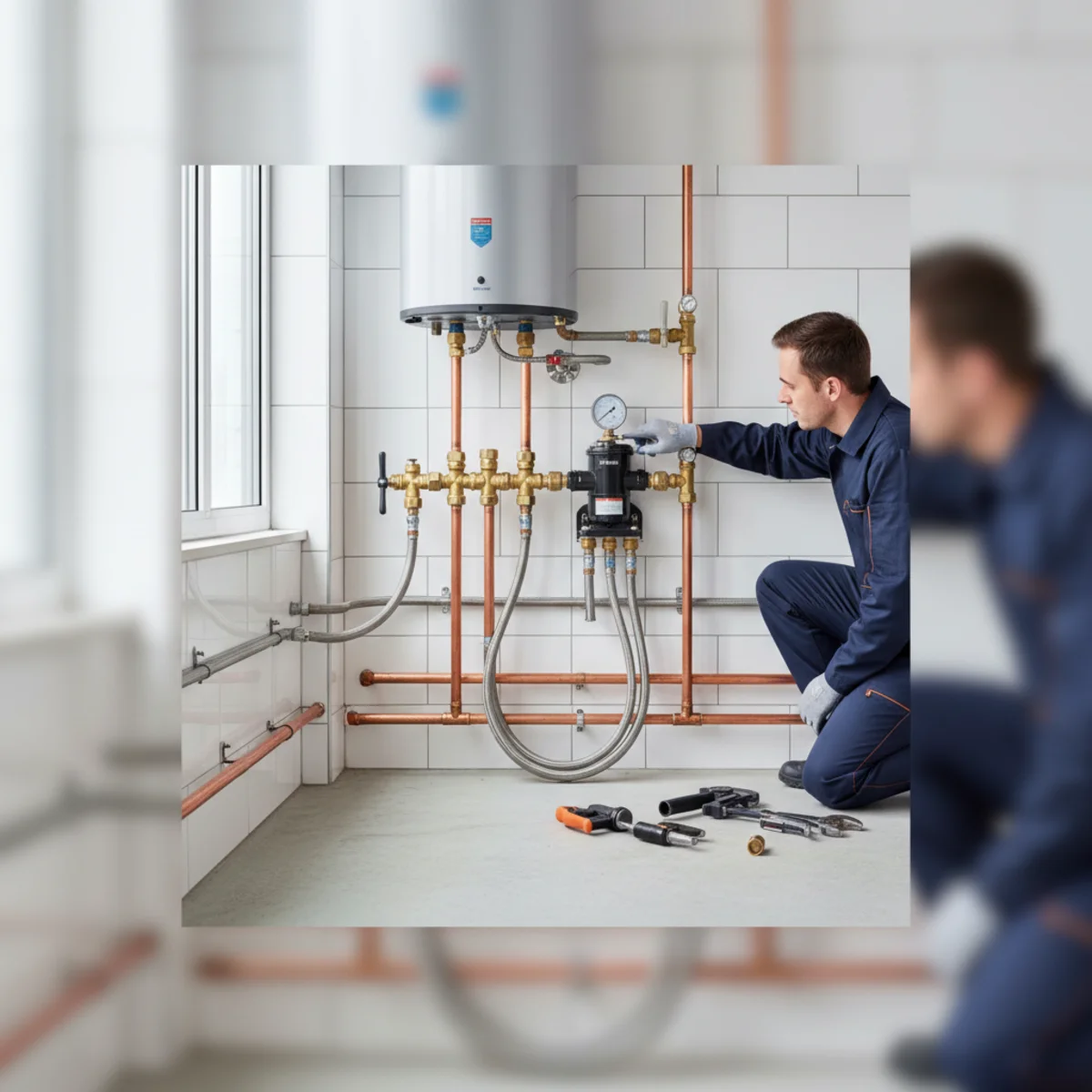
If your home was built with a dedicated hot-water return line running back to the water heater, you have the ideal setup. A traditional recirculation pump simply installs on the water heater outlet and pushes water around that pre-built loop. Many newer Sacramento-area tract homes have this.
Most older homes do not have a return line. A comfort system (also called a "crossover" or "demand" system) handles this by installing a small valve under the furthest fixture and using the cold-water line as the return path. When the pump activates, it pulls cooler water from the supply lines back through the cold line to the heater. This adds warm-up time to the cold-water line — a trade-off worth knowing about if you live where that line feeds a drinking-water filter or an ice maker.
Demand-controlled comfort systems activate only when you press a button or when a motion sensor detects someone entering the bathroom. You press the button, wait 20–30 seconds, and hot water arrives. That eliminates most standby heat loss and makes the system highly efficient. Timer-only systems run on a schedule — say, 6–9 a.m. and 5–8 p.m. — which works well for predictable households. For the most savings, a timer paired with a temperature-sensing shutoff is the standard recommendation.
Our water heater recirculation pump installation service covers both system types — we'll assess your pipe layout before recommending one.
| Factor | Full Recirculation (dedicated return) | Comfort System (crossover) |
|---|---|---|
| Return line required? | Yes | No — uses cold line |
| Installation cost | Higher if line must be added | Lower — one valve under sink |
| Hot-water wait time | Near-instant | 20–30 sec after trigger |
| Cold-water line impact | None | Slight warming after activation |
| Best control method | Timer + temp sensor | Demand button or motion sensor |
Recirculation and Tankless Water Heaters
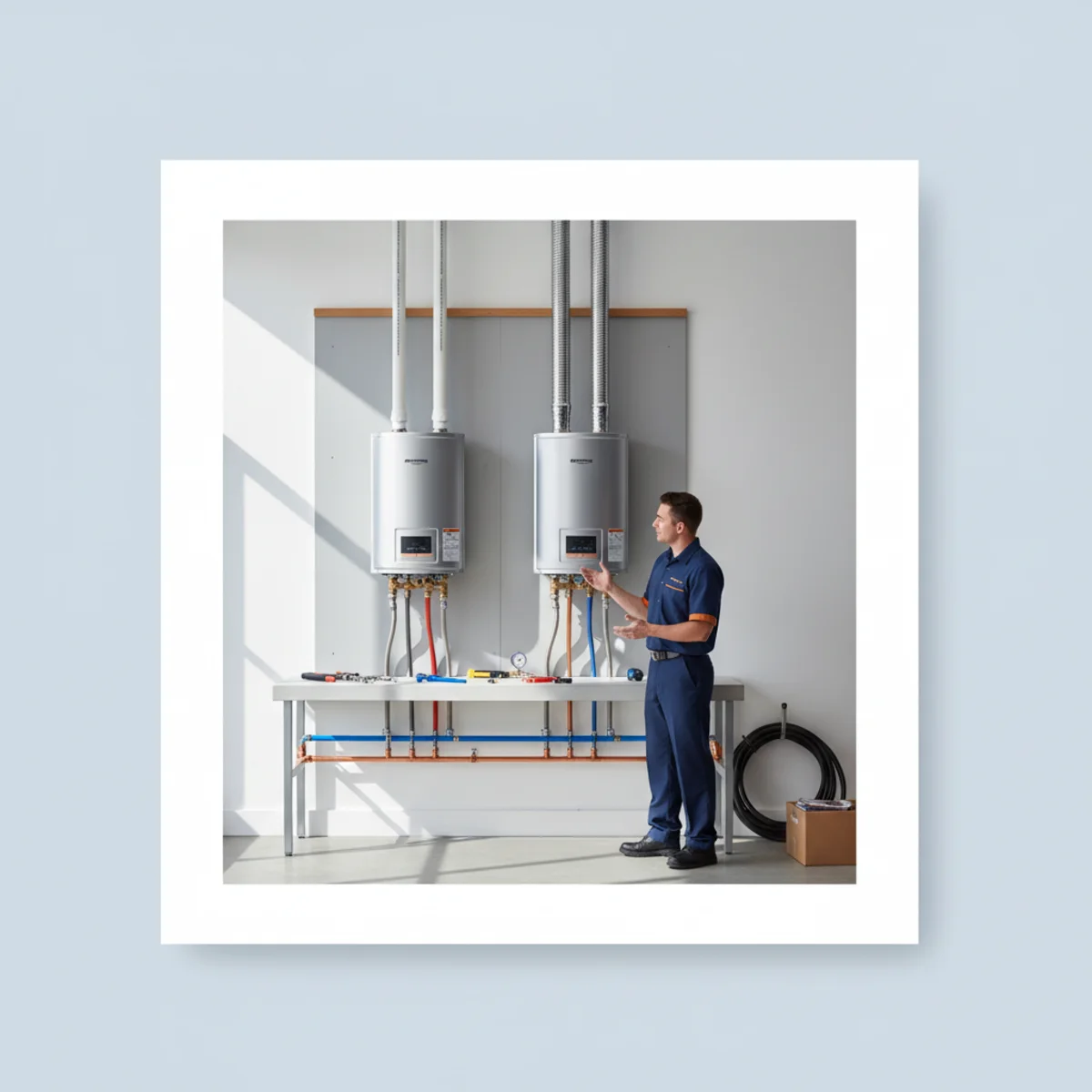
Tankless water heaters add a wrinkle. A traditional tank always has a reservoir of hot water ready; a tankless unit heats on demand, which means it needs a few seconds to fire and reach temperature. Pair a recirculation pump with a tankless unit and you're forcing the heater to fire repeatedly to maintain loop temperature — potentially shortening burner life and adding gas cost.
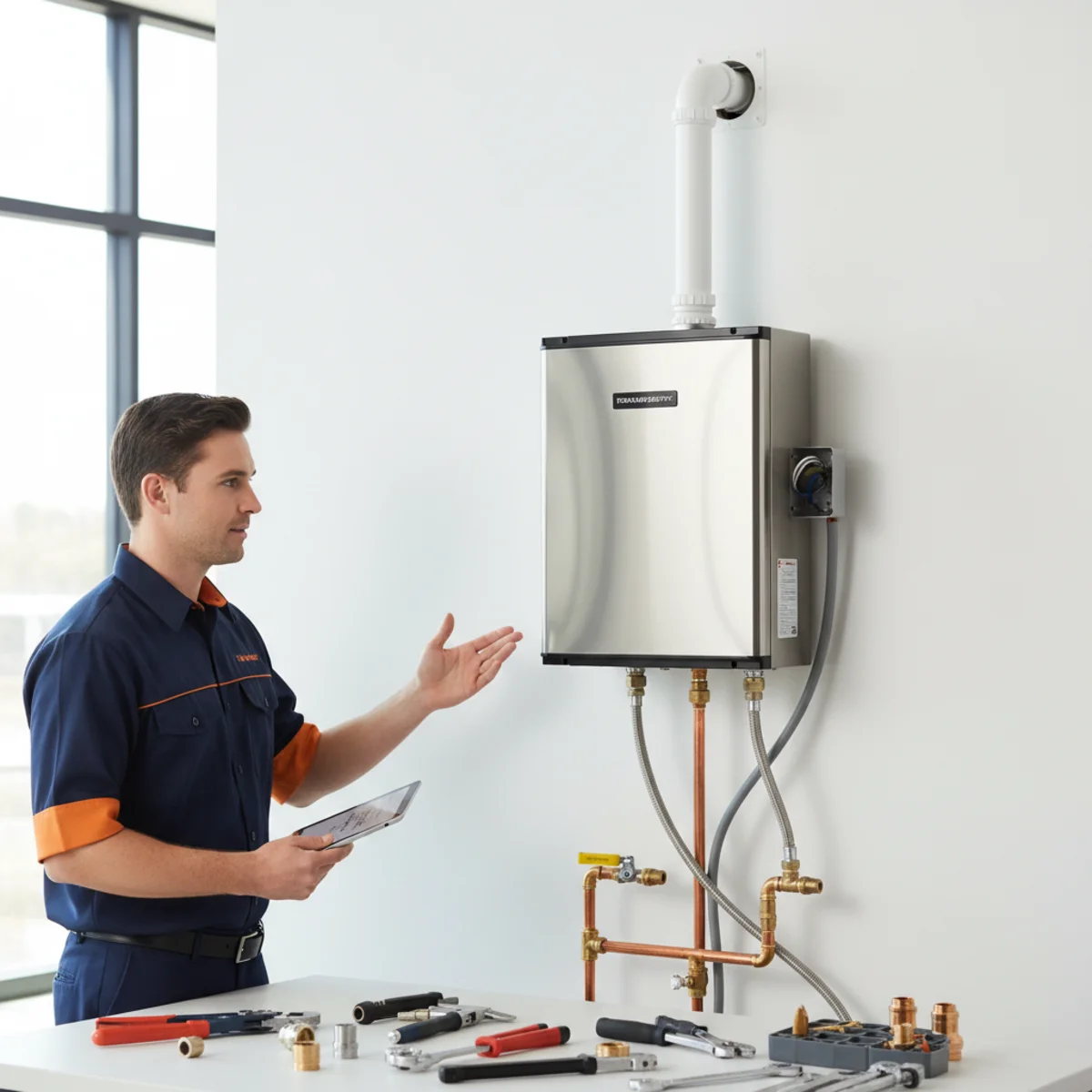
Modern tankless units from major manufacturers include a built-in recirculation port and internal pump specifically designed to handle this without damage. If your tankless unit supports it, the built-in system is the cleanest option. If it doesn't, a demand-controlled external pump with a temperature-sensing bypass is the safest workaround — it limits how often the burner has to cycle.
If you're considering tankless water heater installation at the same time as recirculation, planning both together from the start saves labor and avoids compatibility headaches later.
Is Your Home a Good Candidate?
Recirculation pumps make the most sense when the pipe run from the water heater to the furthest fixture exceeds about 40 feet, or when the cold-water wait routinely exceeds 60 seconds. Rancho Cordova homes with water heaters in detached garages, or two-story homes where the heater is at one end and the master bath at the other, are classic good fits.
Smaller homes or homes with the water heater close to the main bathroom often see less payoff. The pump, installation, and added energy still cost money, and you're solving a 15-second problem rather than a 2-minute one.
California's water-conservation awareness makes the case stronger here than in many states. If you're in the Rancho Cordova area and want a simple assessment, we're glad to take a look at your layout and give you a straight answer on whether it's worth it. Reach out at our contact page.
- Long pipe runs (40+ feet from heater to furthest fixture) — strong candidate.
- Tankless unit already installed — confirm compatibility before buying a pump.
- Older home without return line — comfort system with demand control is the right fit.
- Water heater within 20 feet of main bathroom — recirculation may not pencil out.
- High-use household with staggered schedules — demand or motion-triggered control prevents waste.
Installation, Permits, and Local Notes
Most recirculation pump installations are straightforward plumbing work: the pump mounts at the water heater, a valve goes under the furthest fixture, and a power outlet is needed nearby. A typical comfort-system install on an existing tank or tankless unit takes a few hours.
Sacramento County building permits are not generally required for adding a pump to an existing water heater system, but any related plumbing modifications — such as adding a return line or moving supply connections — may trigger a permit depending on scope. We're happy to clarify what applies to your specific project.
Rancho Cordova's hard water, pulled from the American River watershed, means your pipes may already have mineral buildup that restricts flow. If water pressure at distant fixtures seems low, it's worth evaluating the supply lines before adding a pump — pushing flow through a partially scaled pipe makes the pump work harder and reduces effectiveness.
Talk to a Local Rancho Cordova Water Heater Pro
Whether you need a repair today or you're planning an upgrade, we'll give you a straight answer and an upfront estimate.
Frequently Asked Questions
Cost depends on system type, water heater location, outlet availability, and whether any pipe modifications are needed. A comfort-system install on an accessible water heater is typically the lower end of the range. Dedicated return-line systems cost more if the line doesn't already exist. Contact us for an accurate estimate specific to your home layout.
A pump with a timer or demand control adds very little electricity cost — usually a few dollars a month. The bigger variable is your water heater working slightly harder to maintain loop temperature. Demand-based systems minimize this. You'll likely save more in water costs (especially if you're on a metered supply) than you spend in added energy.
The pump itself is a DIY-accessible project for handy homeowners — it's a plumbing connection plus a power outlet. The more important question is which system type fits your home and whether your tankless unit (if applicable) supports recirculation without burner damage. Getting the design right before buying avoids expensive corrections later.
Yes, but compatibility varies by model. Some tankless units have a built-in recirculation port. Others require an external demand pump with a temperature bypass to prevent the burner from cycling excessively. Check your unit's manual or call us — we can confirm compatibility before any equipment is purchased.
Quality pumps from established manufacturers typically last 10–15 years with minimal maintenance. Rancho Cordova's hard water can affect valve components over time — the crossover valve under the sink is the more common service point. Annual visual checks and keeping the heater flushed help the whole system run longer.
Written by the Water Heater RC Pros team
Practical, local guidance from Rancho Cordova water-heater installers — written for homeowners and kept current with California code. Have a question about your unit? Call (201) 277-9344.