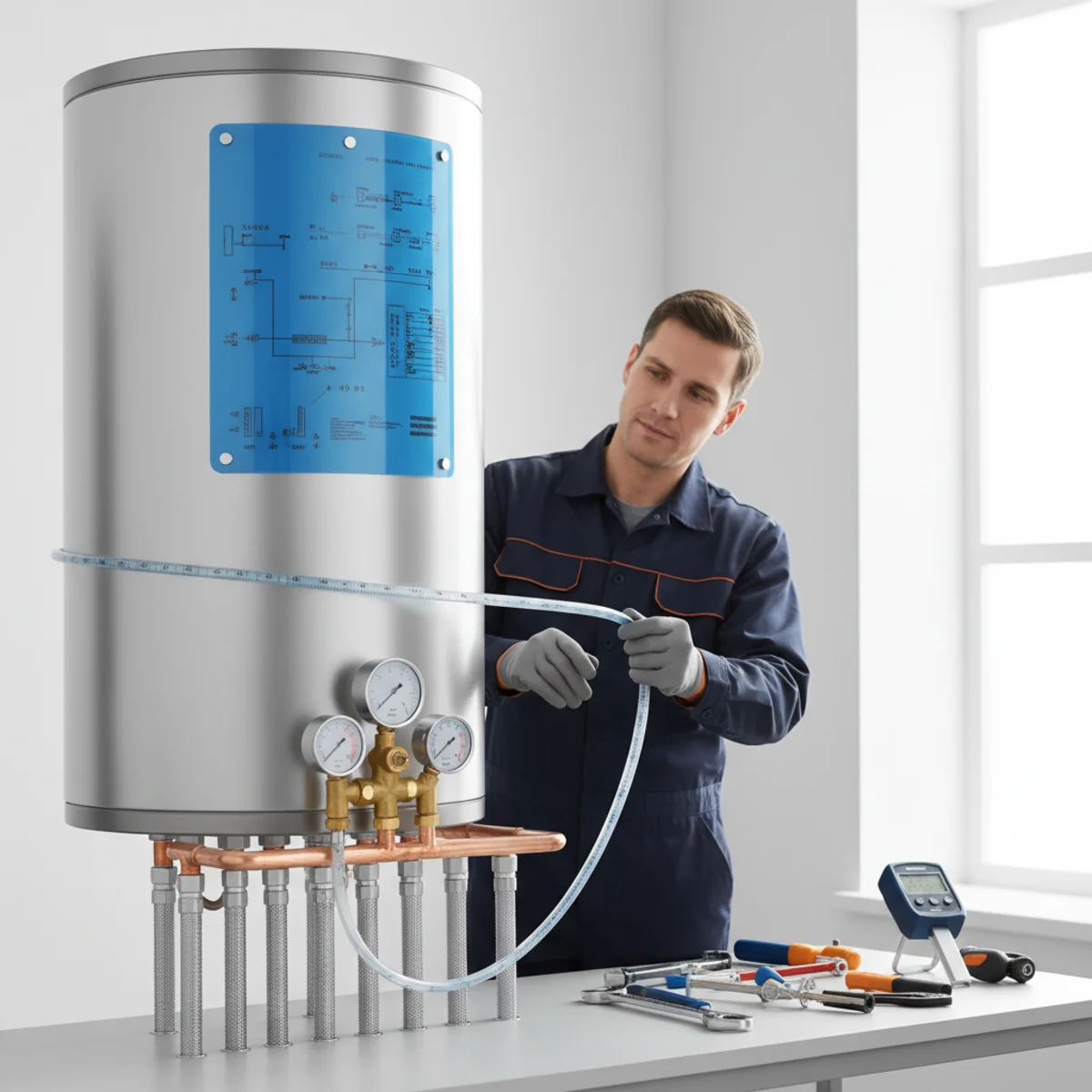
The standard line is that a tank water heater lasts 8 to 12 years. That's not wrong — but it's not the whole story for California homes. Our water quality, climate, and installation conditions all affect how long a unit actually runs before it becomes unreliable or fails outright.
In Rancho Cordova, the Sacramento region's moderately hard water is the single biggest variable. Hard water deposits minerals on the tank floor and inside heat exchangers, accelerating wear in ways that soft-water regions don't experience. A tank that might run 12 years in a Pacific Northwest home may realistically reach 9 or 10 here without regular maintenance.
This guide covers expected lifespan by unit type, what shortens life in California specifically, and the maintenance habits that reliably extend how long your investment lasts.
Expected lifespan by water heater type
Different technologies age differently. The figures below are realistic ranges for properly installed and periodically maintained units in a hard-water California environment.
- Standard gas storage tank: 8–12 years. The most common type in Rancho Cordova homes. Lifespan is heavily influenced by whether the unit has been flushed annually and the anode rod replaced on schedule.
- Standard electric storage tank: 9–12 years. Electric tanks typically run slightly longer than gas because there's no burner flame introducing thermal stress, but sediment buildup and element corrosion eventually shorten them.
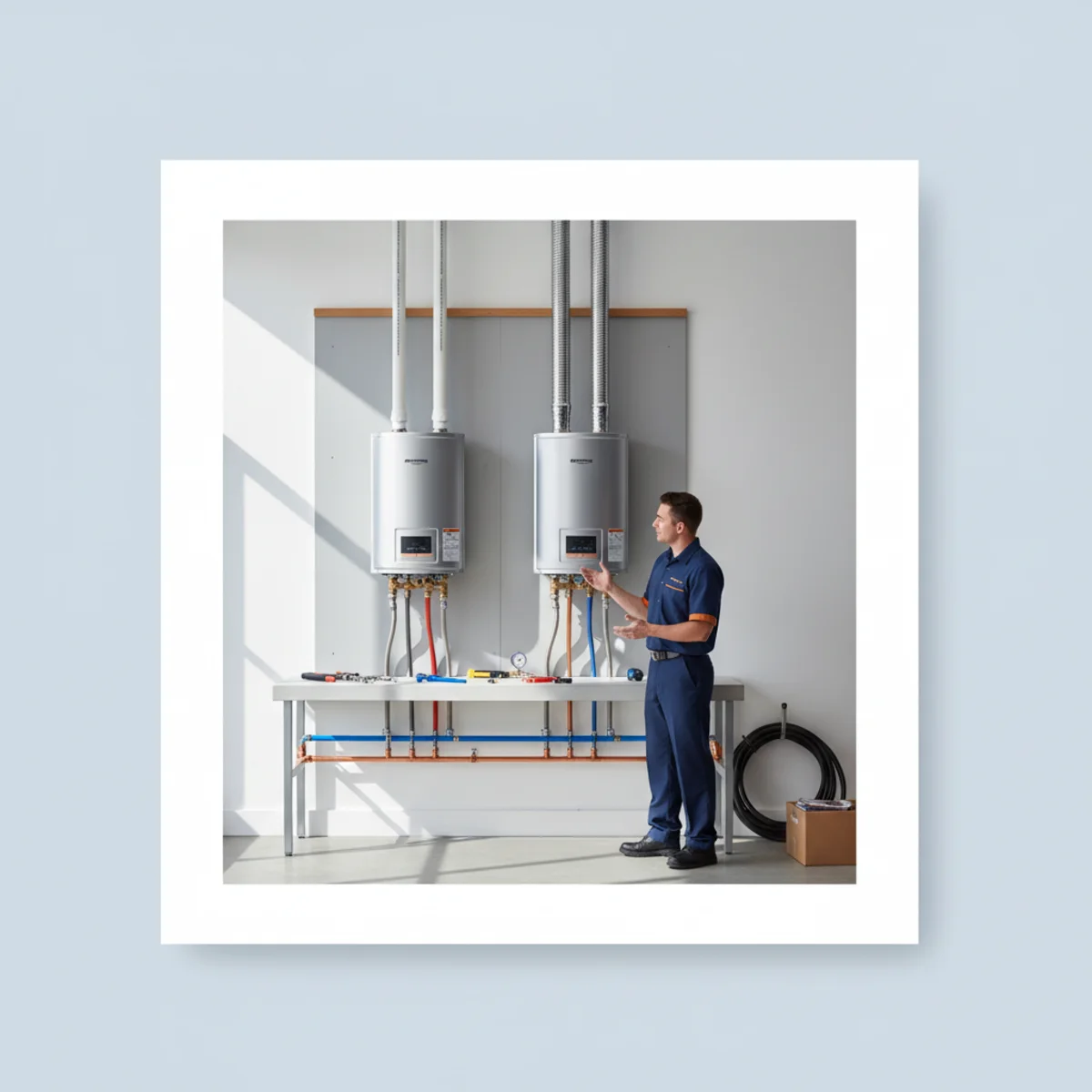
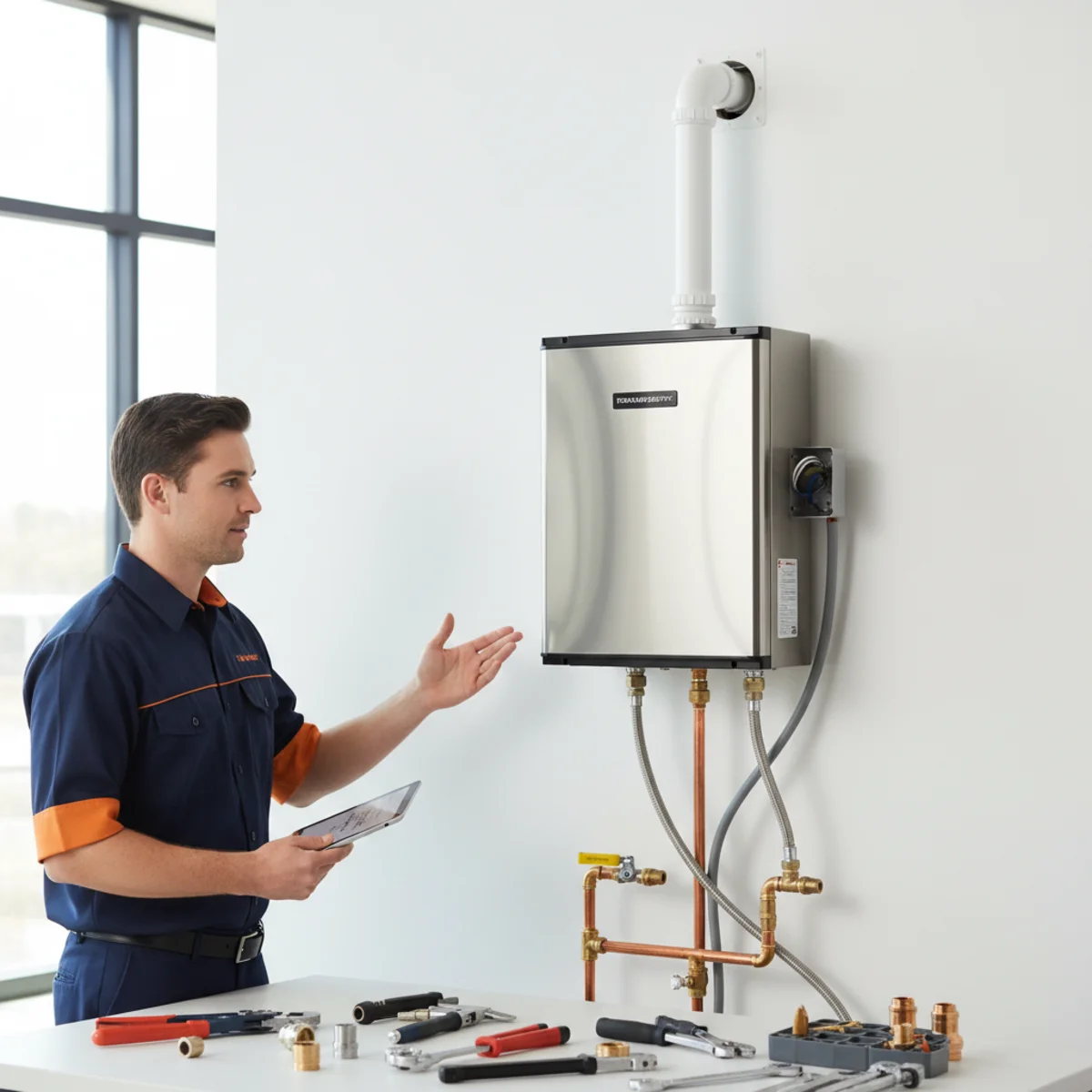
- Gas tankless (on-demand): 15–20 years potential, but hard water scale in the heat exchanger is the most common premature failure cause. Annual descaling is not optional in our water. Units that are regularly serviced can hit or exceed 20 years.
- Electric tankless: Similar to gas tankless in potential lifespan. Scale on the heating elements is the limiting factor. Descaling or element replacement extends life.
- Heat-pump water heater: 10–15 years for the tank portion; the heat-pump compressor component may need service before the tank fails. These units are relatively new in residential use, so long-term real-world data is still accumulating.
- Solar water heater: The tank component typically lasts 15–20 years; the solar collector and glycol system require periodic maintenance independent of the tank.
What shortens water heater life in California
Hard water is the top culprit in the Sacramento region. Calcium and magnesium in the water supply precipitate as scale when heated — building up on tank floors, element sheaths, and heat exchanger passages. This sediment layer insulates the heat source from the water (reducing efficiency) and accelerates corrosion at the tank floor where wet sediment sits.
A depleted anode rod is the second major factor. The anode rod is a sacrificial magnesium or aluminum rod suspended inside the tank. As long as it's intact, it corrodes preferentially, protecting the steel tank lining. When the rod is fully consumed — typically within 4 to 6 years in hard water — the tank lining begins to corrode. Replacing the anode rod on schedule is the single most cost-effective life-extension measure for any tank heater.
High water pressure stresses tanks and fittings over time. California homes on municipal supply can see pressure spikes above 80 psi — above the recommended range. A pressure-reducing valve (PRV) set correctly, combined with an expansion tank, protects the system from thermal expansion pressure that would otherwise fatigue fittings and connections.
Improper installation shortcuts life. An undersized unit that runs long recovery cycles, a unit without proper venting that accumulates backdraft combustion products, or a gas unit starved of combustion air all age faster than properly installed equipment.
Maintenance habits that extend lifespan
The gap between a 9-year tank and a 13-year tank in our market is usually maintenance. The tasks aren't complicated, but most homeowners don't do them.
- Annual sediment flush: connect a garden hose to the drain valve, open it, and drain several gallons while stirring the sediment. On units with significant buildup, a full drain-and-refill is more effective. This removes the mineral layer that insulates and corrodes the tank floor.
- Anode rod inspection and replacement: check the rod at 3–4 years on a new unit. In hard water, it may be largely depleted by then. Replace it before it's fully consumed — once it's gone, the tank lining is unprotected. A magnesium rod is generally preferred for hard water.
- T&P valve test: briefly lift the T&P valve lever once a year to confirm it opens and reseats. A valve that won't open or won't reseat is a safety concern and should be replaced.
- Expansion tank inspection: if your system has an expansion tank, check the air pre-charge annually with a tire gauge. The pre-charge should match your cold supply pressure. A waterlogged expansion tank provides no protection and needs replacement.
- Visual inspection: check for rust streaks, scale buildup around fittings, or any moisture at connections. Catching a small weeping fitting early is far cheaper than addressing the damage from a slow leak that went unnoticed.
How to know when it's time to replace rather than maintain
Regular maintenance extends a good tank, but it can't save a failing one. The signals that point toward replacement rather than continued maintenance: rust-colored hot water that persists after flushing, a rumbling noise that doesn't improve after flushing, a growing puddle at the base, or a unit in its second decade.
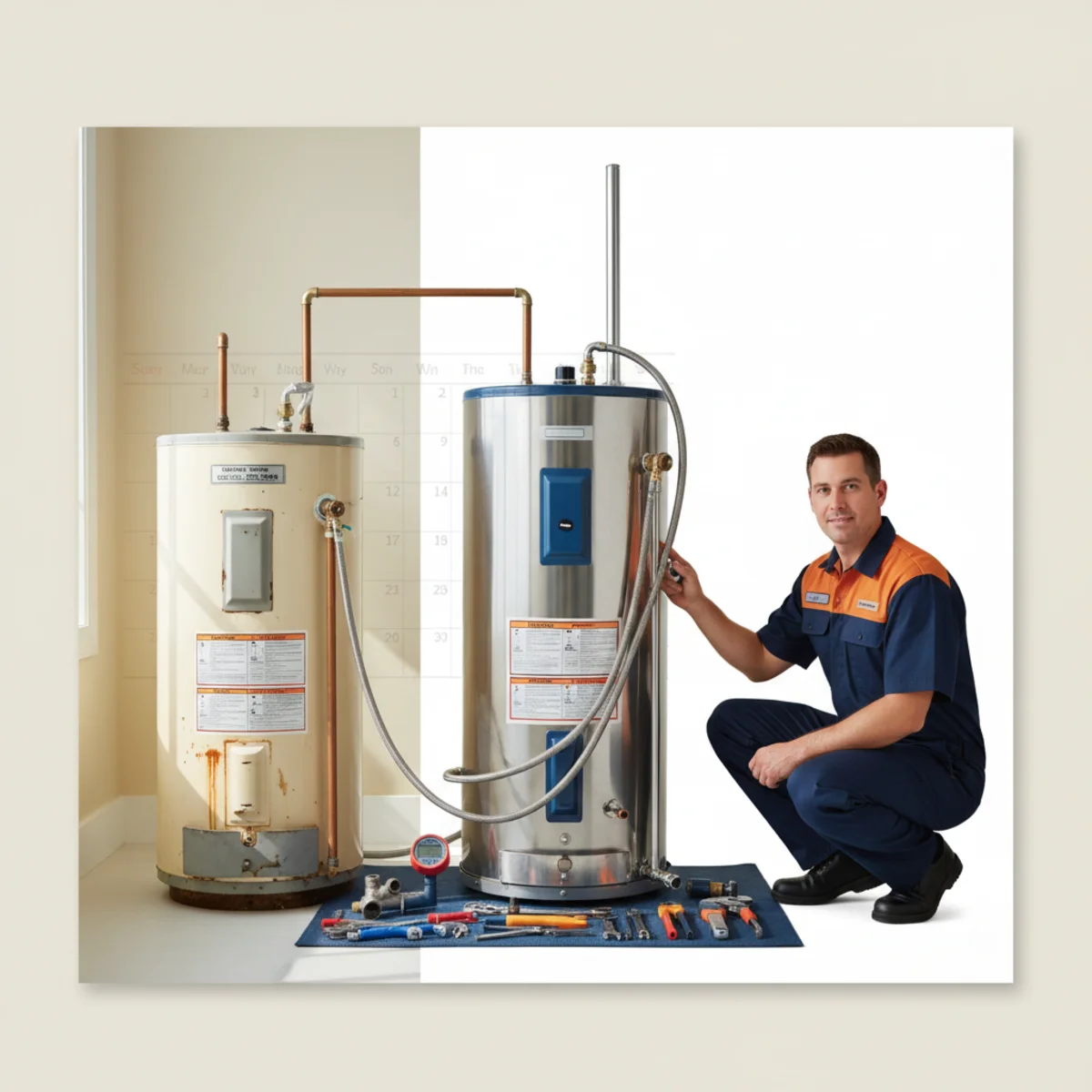
For homeowners planning proactive replacement — replacing before failure rather than in crisis — the sweet spot is typically the 10-to-12-year window for gas tanks. You get to choose the timing, the new unit type, and avoid the premium that often comes with emergency service.
Our water heater maintenance team can inspect your current unit and give you an honest read on its condition. Our water heater replacement team handles everything from standard tank swaps to full tankless conversions across Rancho Cordova. Get in touch for an evaluation.
A note on California efficiency standards
California's Title 20 and Title 24 standards affect which water heaters can be sold new in the state. Larger tank units face stricter efficiency requirements that have effectively pushed the market toward heat-pump electric units or high-efficiency gas condensing units at higher capacities.
If you're replacing a large-capacity unit, confirm the replacement meets current California standards before purchasing. Your installer should know this — it affects which models are available and what code upgrades may be required.
Talk to a Local Rancho Cordova Water Heater Pro
Whether you need a repair today or you're planning an upgrade, we'll give you a straight answer and an upfront estimate.
Frequently Asked Questions
Yes, meaningfully. A water softener removes calcium and magnesium before they reach the water heater, dramatically slowing sediment accumulation and scale formation. This benefits both tank and tankless units. The trade-off is the cost and maintenance of the softener itself. For tankless unit owners in our hard water, a softener is often the most reliable way to achieve the rated lifespan.
That depends on its condition. If it's been regularly maintained, has no rust in the hot water, and produces adequate hot water, it may have more useful life left. Have it inspected — an installer can check the anode rod, look for internal corrosion signs, and give you a realistic prognosis. If it hasn't been maintained, the internal condition may be worse than the external appearance suggests.
To a degree. Some manufacturers use thicker tank glass linings or better-quality anode rods. But brand differences are secondary to maintenance. A mid-tier unit that's flushed annually and has its anode replaced will outlast a premium unit that's never been touched.
Annually for a sediment flush. Anode rod inspection at 3–4 years, then every 2–3 years depending on what you find. T&P valve test annually. Our water heater maintenance team can handle all of it in a single service visit.
Written by the Water Heater RC Pros team
Practical, local guidance from Rancho Cordova water-heater installers — written for homeowners and kept current with California code. Have a question about your unit? Call (201) 277-9344.